Asturias
Green northern coast with cider culture and ancient Celtic festivals
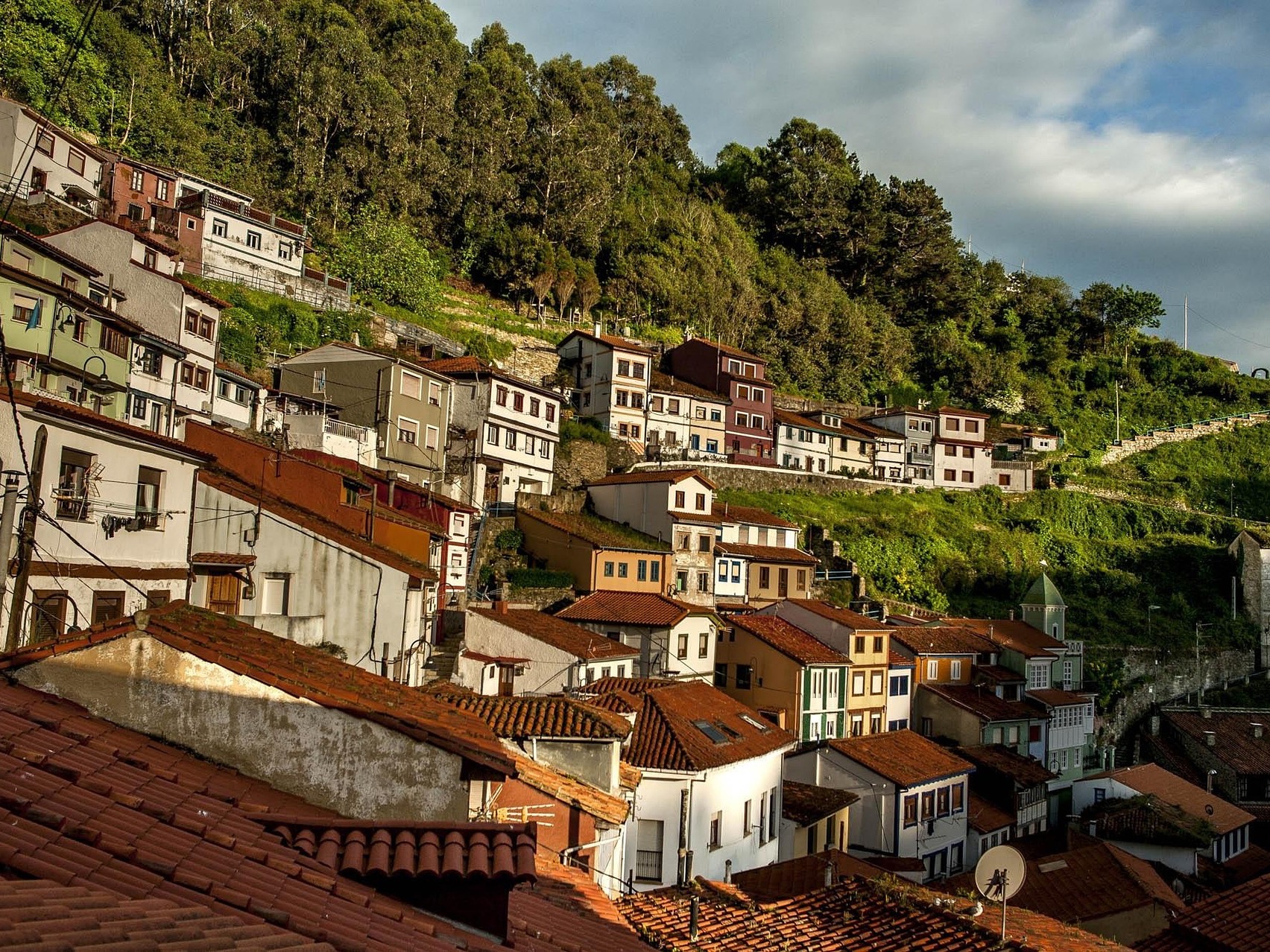
Asturias calls itself "paradise" on its own tourism branding, and the green, mountainous northern coast makes a reasonable case for it. This is cider country — sidra is poured from a height to aerate it, a genuine skill practised in every sidrería — and a region whose Celtic-influenced culture, rainy Atlantic climate and jagged Picos de Europa mountains share more with Galicia and Cantabria than with the sun-baked south most visitors associate with Spain.
Asturias was the only part of Spain never conquered by the Moors, a point of regional pride still referenced in its identity as the birthplace of the Reconquista. That isolation produced a wealth of pre-Romanesque churches, UNESCO-listed and unique to the region, predating the Romanesque style that spread across the rest of Christian Spain. The region's two festivals here reflect its rural, tradition-bound character rather than the urban spectacle of festivals further south.
Highlights
- Cider culture — sidra poured from height (escanciado) is a genuine local skill practised in every sidrería
- Never conquered by the Moors — Asturias is considered the birthplace of the Reconquista
- Pre-Romanesque churches — a UNESCO-listed architectural style unique to the region
- Picos de Europa — dramatic limestone peaks shared with Cantabria and Castilla y León
Festivals in Asturias
Descenso Internacional del Sella
Every first Saturday of August, over 1,000 canoeists race 20 km down the River Sella from Arriondas to Ribadesella, cheered on by 200,000+ spectators lining the riverbanks. Declared a Fiesta of International Tourist Interest, it's Spain's most famous sporting festival.
 August
Fiesta de la Sidra Natural
Gijón celebrates Asturias' most iconic drink with mass cider pouring (escanciado) attempts at world records, tastings from dozens of producers, and traditional Asturian music and food.
How to Get There
Asturias Airport near Oviedo has domestic and limited European routes. High-speed rail from Madrid to Oviedo takes around 4 hours. The region's mountainous geography makes a car genuinely useful for reaching rural festival towns and the Picos de Europa.
Tips & Advice
Try proper escanciado cider service at least once — it's a local skill worth watching and tasting fresh. Asturias sees far fewer international visitors than Spain's Mediterranean regions, meaning festivals here feel genuinely local rather than staged for tourists. Pack for rain — the Atlantic climate here is wetter than most of Spain.