Corpus Christi de Toledo
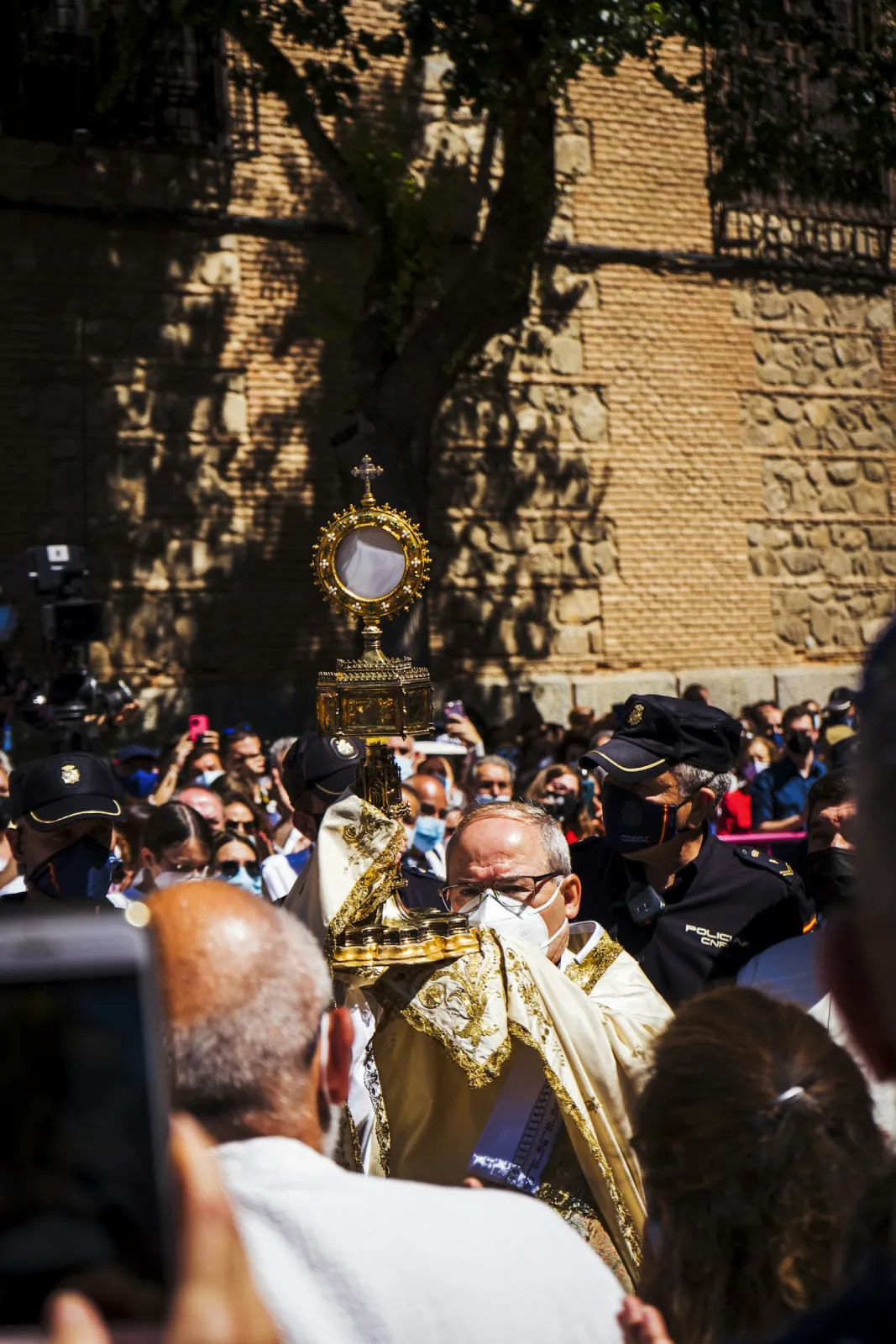
Toledo's Corpus Christi is Spain's most spectacular religious procession. Medieval streets are covered with awnings and aromatic herbs as the golden Custodia de Arfe — a 16th-century masterpiece standing 3 metres tall — processes through the ancient capital.
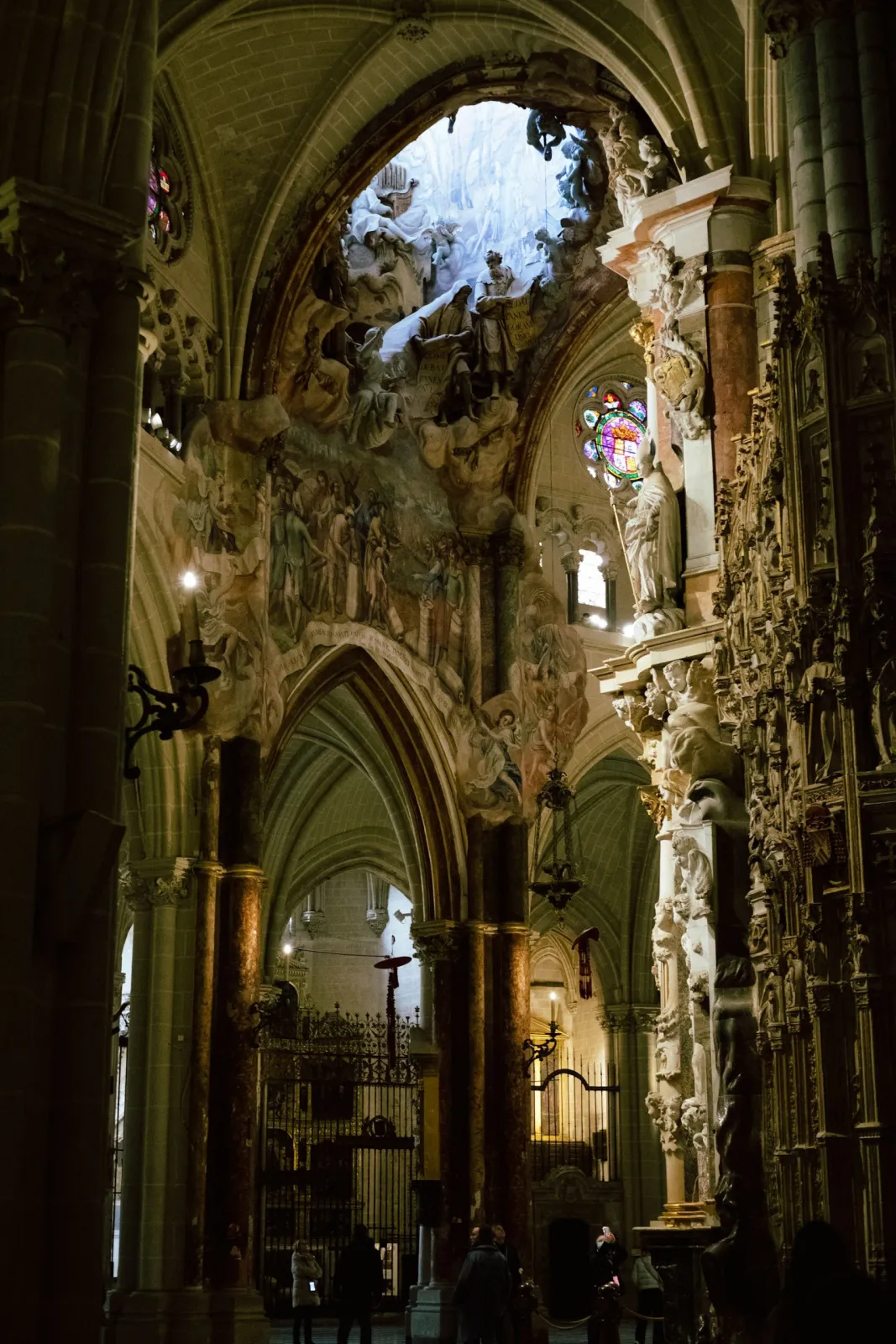
What Corpus Christi de Toledo is like
- Procession
- Flowers
- Free
- Noise
- A solemn procession that moves slowly for hours.
- Fire
- Nothing burns; the gold Custodia does the shining.
- Crowds
- Good spots on the route go early; be there by 08:00.
- Mess
- You stay clean; the herbs underfoot only add scent.
- With kids
- Calm, but it runs for hours and the heat can be fierce.
Highlights
- Custodia de Arfe: 3m tall, 160kg, 5,600 gold/silver pieces (1524)
- Streets covered with awnings and aromatic herbs
- International Tourist Interest since the 14th century
- 500+ years of unbroken tradition
- Procession through UNESCO World Heritage streets
- Full military, civic, and religious ceremony
Toledo's Corpus Christi is the most important and visually stunning Corpus celebration in Spain. The centrepiece is the Custodia de Arfe, a 3-metre-tall monstrance of gold and silver crafted in 1524, weighing over 160 kg with 5,600 pieces.
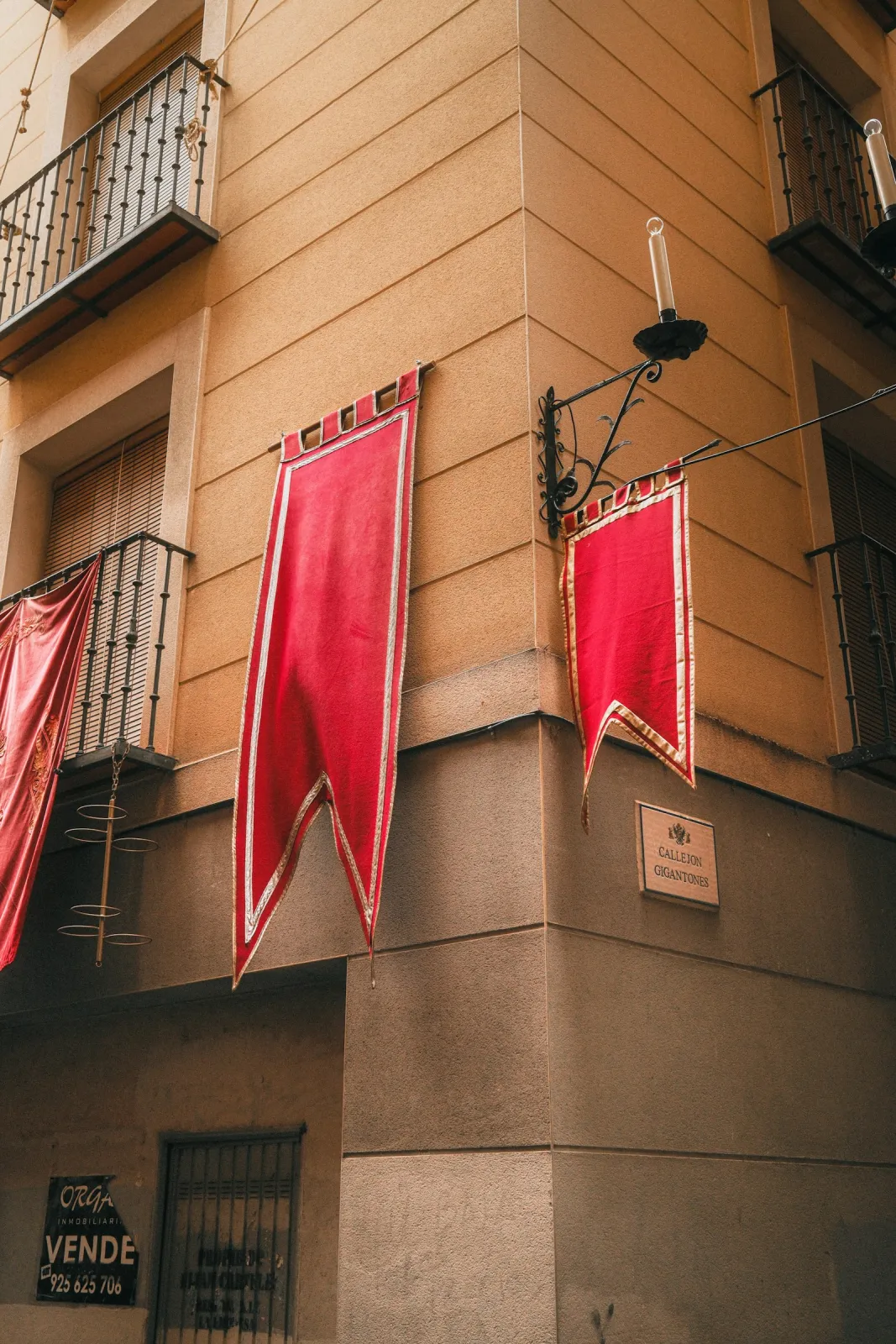
Streets along the route are covered with canvas awnings, while rosemary, thyme, and lavender are scattered on the ground. Balconies are draped with tapestries and facades decorated with religious imagery.
The procession includes every parish, brotherhood, and civic institution, plus military units — a living tableau of Spanish tradition unchanged for five centuries.
Gallery
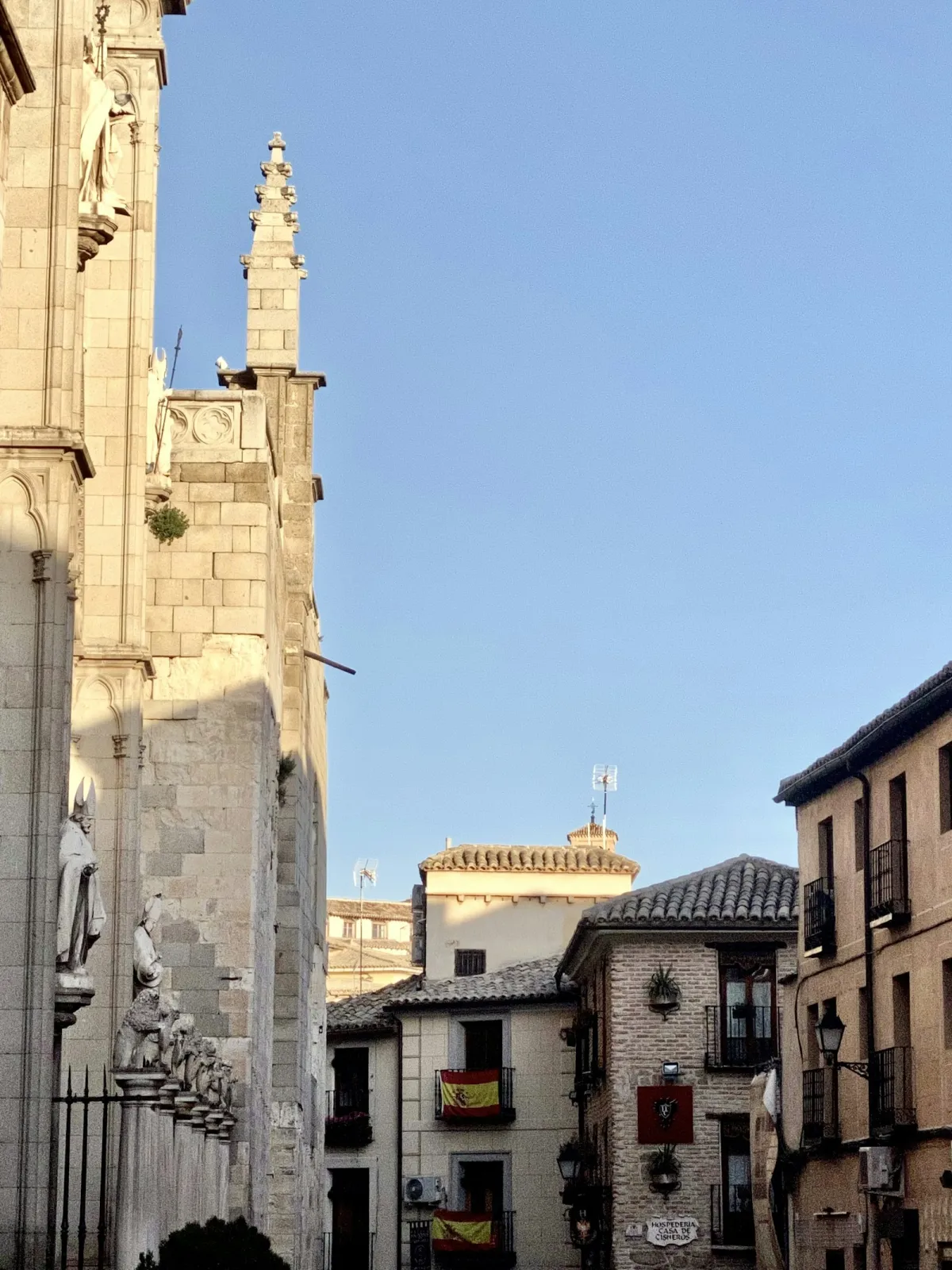
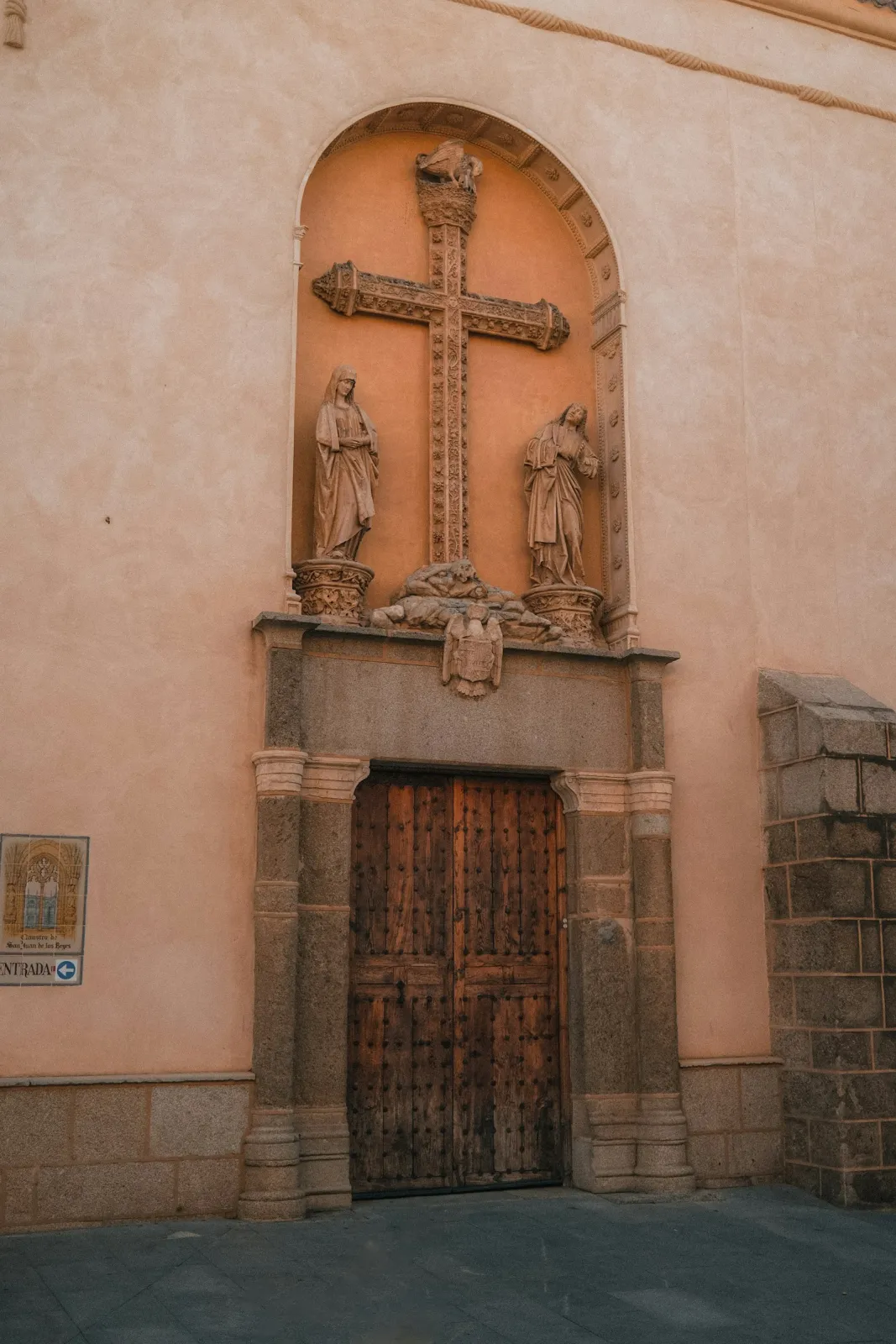
History & Origins
Toledo's Corpus celebrations began in 1342. The Custodia de Arfe was commissioned in 1517 and completed in 1524 by Enrique de Arfe. Legend holds it was crafted from the first gold Columbus brought from the Americas.
What to Expect
The main procession is Corpus Thursday at 09:00, winding from the Cathedral through medieval streets for hours. The scent of crushed herbs, shade of awnings, and sight of the golden Custodia in shafts of sunlight feel genuinely medieval.
How to Get There
By Train: AVE from Madrid Atocha in 30 minutes. By Car: 70 km via A-42, use Safont car park. By Bus: ALSA from Plaza Elíptica every 30 min (1h).
Tips & Advice
- Arrive by 08:00 Thursday for a good spot
- Stay overnight Wednesday to avoid the Madrid rush
- Toledo is 30 min from Madrid by AVE
- Book a balcony restaurant on the route for best views
- Wear sun protection — June exceeds 35°C
- Combine with Cathedral, Alcázar, and El Greco museum
Holy Week in Toledo
Toledo, Castilla-La ManchaToledo's Holy Week is known for its sobriety: some twenty brotherhoods carry their images through the narrow lanes of the UNESCO-listed old town, often late at night and in near silence.
Holy Week in Cuenca
Cuenca, Castilla-La ManchaIn Cuenca the whole cliff-top old town becomes the Via Dolorosa, with one procession a day telling the Passion in order, and the drums and bugles of the Turbas announcing Good Friday at dawn.
Feria de Albacete
Albacete, Castilla-La ManchaEleven days and nights of fair in honour of the Virgen de los Llanos, centred on Albacete's unique pan-shaped fairground and its famous iron gate.
Medieval Festival of Sigüenza
Sigüenza, Castilla-La ManchaThe Jornadas Medievales de Sigüenza transform this magnificent castle town into a living medieval spectacle every July. With jousting tournaments beneath the imposing castle-parador, a sprawling artisan market, theatrical battles, medieval banquets and hundreds of costumed participants, Sigüenza offers one of Spain's most authentic and atmospheric medieval experiences. Declared a Festival of Regional Tourist Interest.