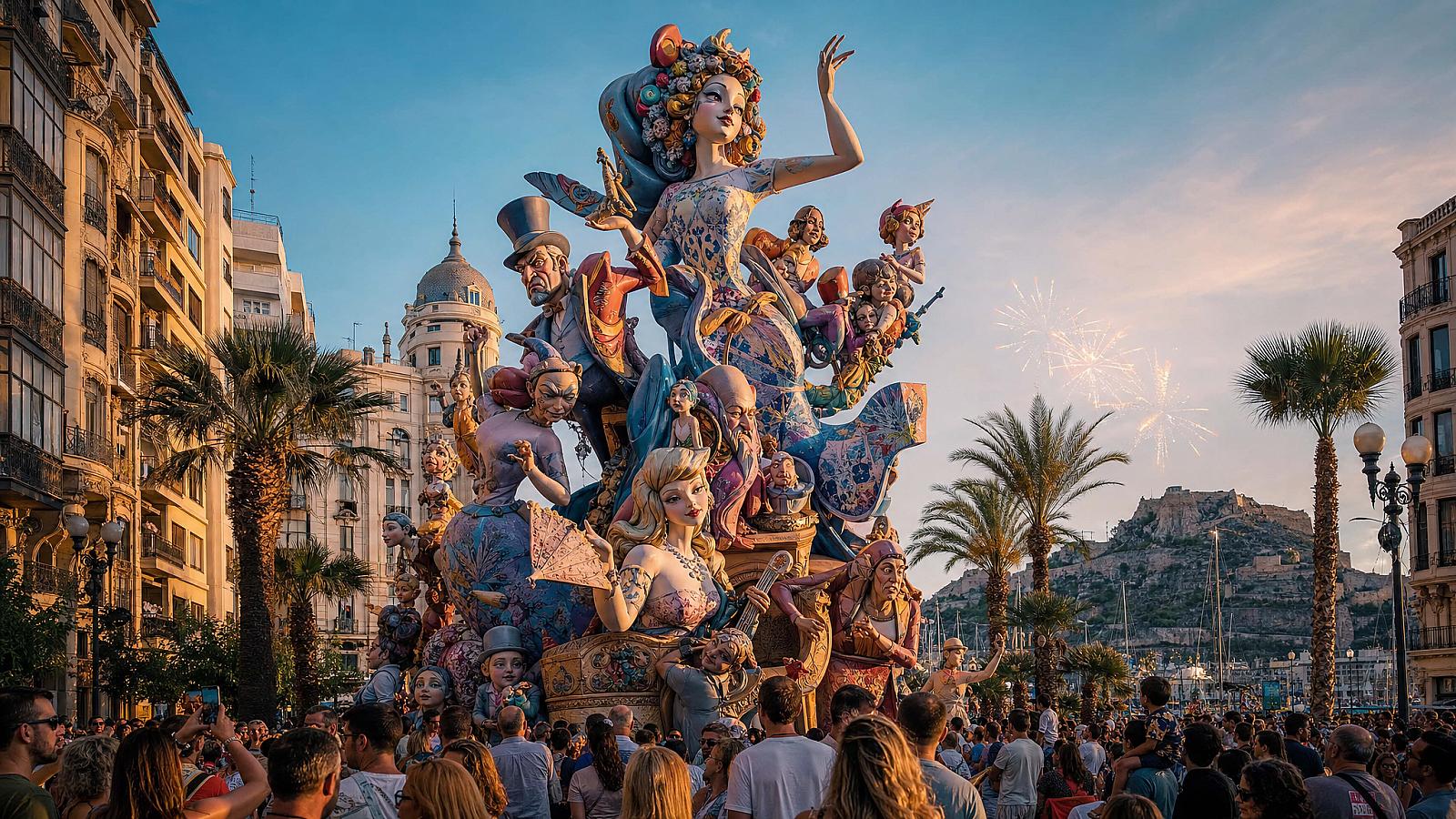
Hogueras de Alicante 2026: What to See from 20-24 June
Plan Hogueras de Alicante 2026 with dates, mascletàs, flower offering, cremà night, fireworks, where to stay, safety tips and a practical 3-day itinerary.
Quick answer
Hogueras de Alicante 2026 runs from 20 to 24 June, with the plantà of the monuments, daily mascletàs in Plaza de los Luceros, the flower offering on 21 and 22 June, and the cremà on the night of 24 June. If you can stay longer, the fireworks competition on Postiguet beach usually continues from 25 to 29 June.
This is Alicante's biggest annual festival and one of the strongest summer events in the Valencian Community. It is the city-level version of Spain's midsummer fire tradition, but with the scale, satire and monument-building culture that makes it feel close to Las Fallas in Valencia.
2026 dates at a glance
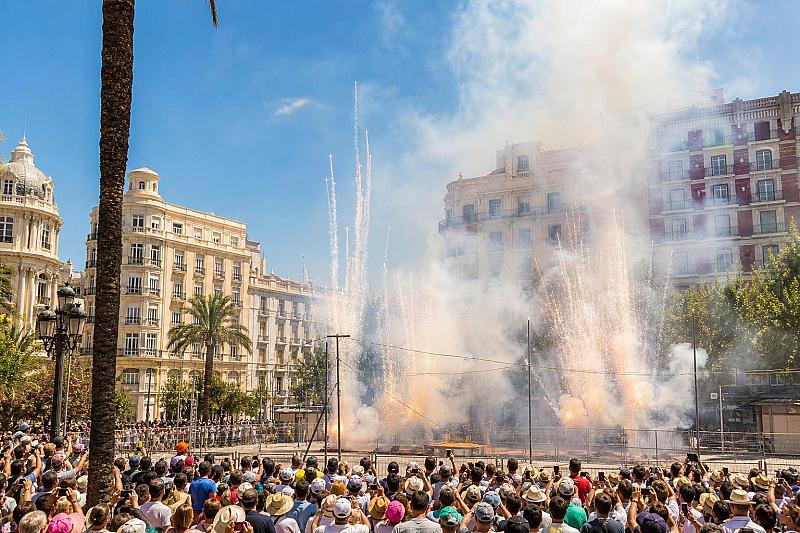
- 20 June: official start and plantà, when the hoguera monuments are completed in the streets.
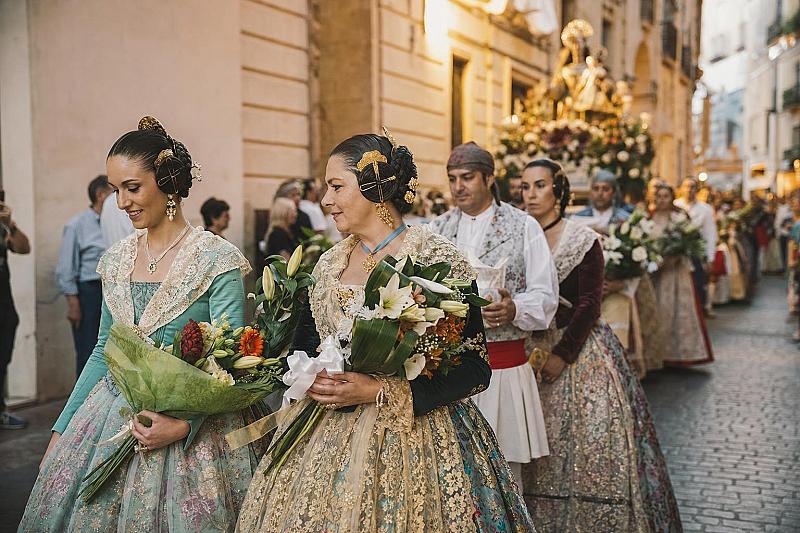
- 21-22 June: flower offering to the Virgen del Remedio, with traditional dress and neighbourhood commissions.
- 23 June: San Juan night atmosphere, beach gatherings and midsummer traditions.
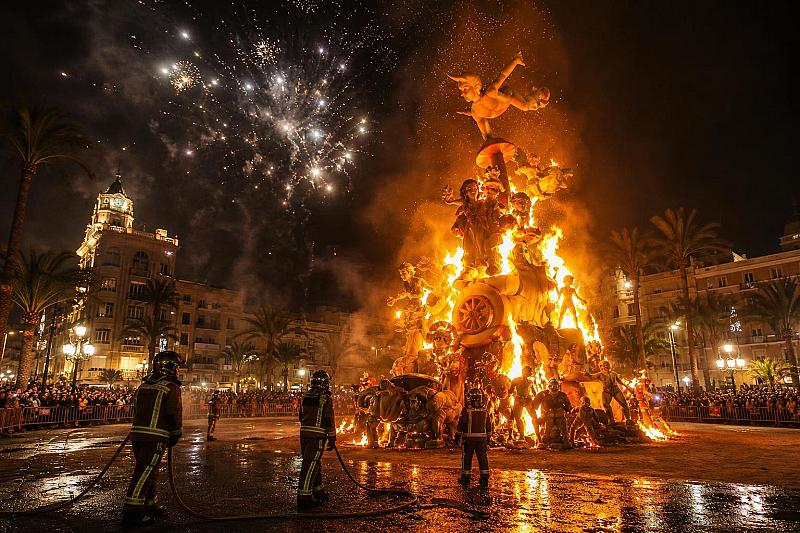
- 24 June: cremà night, when the monuments are burned after midnight.
- 25-29 June: post-festival fireworks competition on Postiguet beach.
Exact daily times can shift when the official programme is published, but the core dates above are the safest structure for travel planning.
Find the Perfect Hotel for Your Festival Trip
Browse thousands of hotels across Spain — from budget-friendly hostels to luxury stays near the best festivals.
What to prioritise if it is your first visit
Do not try to see everything. Hogueras spreads across neighbourhoods, barracas, parades, fireworks and late-night street life. A good first trip should focus on three experiences: walking the monuments, feeling one mascletà from a sensible distance, and choosing a strong viewing spot for the cremà.
The monuments are not only decoration. They are satirical, temporary artworks built to be judged, photographed and finally burned. Spend at least one evening walking between central hogueras before the crowds get too heavy.
Best areas to stay
The historic centre and the area around Mercado are the most convenient for walking to monuments, barracas and Luceros. They are also noisy. If sleep matters, look slightly away from the densest nightlife streets: Luceros, Ensanche, Diputación and the beach edges can be practical compromises.
Postiguet and the marina area work well if you want beach access and fireworks, but prices rise quickly in late June. Book flexible accommodation early, especially if you plan to stay through the 25-29 June fireworks run.
Suggested 3-day itinerary
Day 1: arrive and map the monuments
Arrive before evening, check into accommodation, then walk the main central hogueras. Start around Plaza del Ayuntamiento and the Explanada, then move toward Luceros. Use this first walk to understand distances and decide where you want to return for photos.
Day 2: mascletà and flower offering
Go to Plaza de los Luceros early for the 2 pm mascletà. It is loud enough that earplugs are sensible, especially for children. After a rest in the afternoon, watch part of the flower offering and have dinner away from the most crowded streets.
Day 3: cremà night
Choose one monument for the cremà before dinner. Moving across the centre late at night is slow, and the best viewing spots fill early. If you are travelling with children, pick a smaller neighbourhood cremà rather than the most crowded central one.
How to get around Alicante during Hogueras
Alicante is walkable, and walking is often faster than trying to cross festival traffic. Use the tram for beach-side stays and regional trips, but expect crowding around central stops. Taxis and rideshare services can be difficult at peak times after major events, so avoid relying on a last-minute car after midnight.
If arriving by train, Alicante Terminal is close enough to the centre for many hotels. If arriving by air, the airport bus is usually the simplest route into the city, but give yourself extra time during festival evenings.
Food, barracas and local rhythm
Hogueras is not only about fire. Barracas and racós are social hubs where neighbourhood groups eat, drink and dance. Some spaces are public-facing while others feel more local. For visitors, the easiest approach is to use central food stalls and restaurants, then enjoy the street atmosphere without assuming every tent is a tourist venue.
Look for coca amb tonyina, tapas around Mercado Central, arroz dishes at lunch, and cold drinks between events. Late June heat can be strong, so build water stops into your day.
Safety and comfort tips
- Bring earplugs for mascletàs; the sound is part of the event, but it is intense.
- Wear breathable clothes and comfortable shoes. You will walk a lot.
- Keep children away from the densest mascletà and cremà crowds.
- Do not stand too close to barriers, fireworks zones or firefighter access routes.
- Carry water and avoid planning back-to-back midday activities in full sun.
Should you stay after 24 June?
Yes, if fireworks are a priority. Many first-time visitors leave after the cremà, but the beach fireworks competition from 25 to 29 June can be one of the best parts of the trip. Staying extra nights also gives you a calmer chance to enjoy Alicante after the monuments have gone.
Useful internal links
For background, read the evergreen Hogueras de San Juan Alicante festival guide. For broader trip planning, compare it with Noche de San Juan, Las Fallas and other festivals in the Valencian Community.
FAQ
Is Hogueras de Alicante free?
Most street events, monument walks, mascletàs and fireworks can be enjoyed for free. You still need to budget for accommodation, food, transport and any private events.
Is it suitable for families?
Yes, but choose daytime parades, monument walks and less crowded cremàs. Mascletàs and late-night burning events can be overwhelming for small children.
How many days do I need?
Two nights gives you a taste. Three or four nights is better if you want monuments, mascletà, flower offering and cremà without rushing.
Where is the best place to watch fireworks after the festival?
Postiguet beach is the classic location. Arrive early, bring something to sit on and plan your route back before the crowd disperses.
Cheap Flights to Spain
Compare flights and find the best fares to reach your next festival.
Search Flights Book Your Hotel — Hogueras de San Juan AlicanteRelated Articles
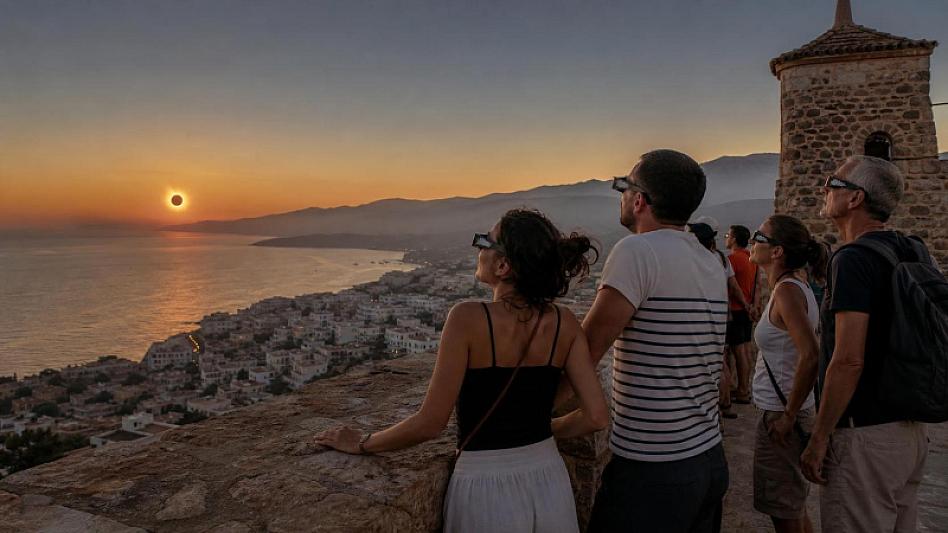
Total Solar Eclipse in Spain 2026: Where to Watch
On 12 August 2026, a total solar eclipse will cross parts of Spain near sunset. This guide explains where to watch, how to plan travel, what to expect in cities outside the path of totality, and how to view the eclipse safely.
What to Do If a Spanish Festival Is Cancelled or Postponed
Festival plans can change because of weather, safety issues, strikes, local permits or artist cancellations. This practical guide explains how to confirm the news, protect your bookings and decide whether to cancel, rebook or keep travelling with a better plan B.
How to Stay Cool at Spanish Summer Festivals
Spanish summer festivals can mean long queues, crowded plazas and temperatures above 35°C. This practical guide explains how to stay cool, avoid heat exhaustion and still enjoy events like San Fermín, La Tomatina, Feria de Málaga and the big music festivals.