Galicia
Northwestern corner with Celtic roots and seafood festivals
Galicia sits apart from the rest of Spain, geographically and culturally. Tucked into the rainy, green northwest corner above Portugal, it has more in common climatically with Ireland or Brittany than with sun-baked Andalusia, and its Celtic heritage — bagpipes (gaitas), ancient hillforts and a folklore steeped in myth — sets it apart from the rest of the peninsula. Santiago de Compostela, the terminus of the Camino de Santiago pilgrimage routes, anchors the region's religious calendar, culminating each July in the Festas do Apóstolo and, in Holy Years when 25 July falls on a Sunday, an especially large influx of pilgrims.
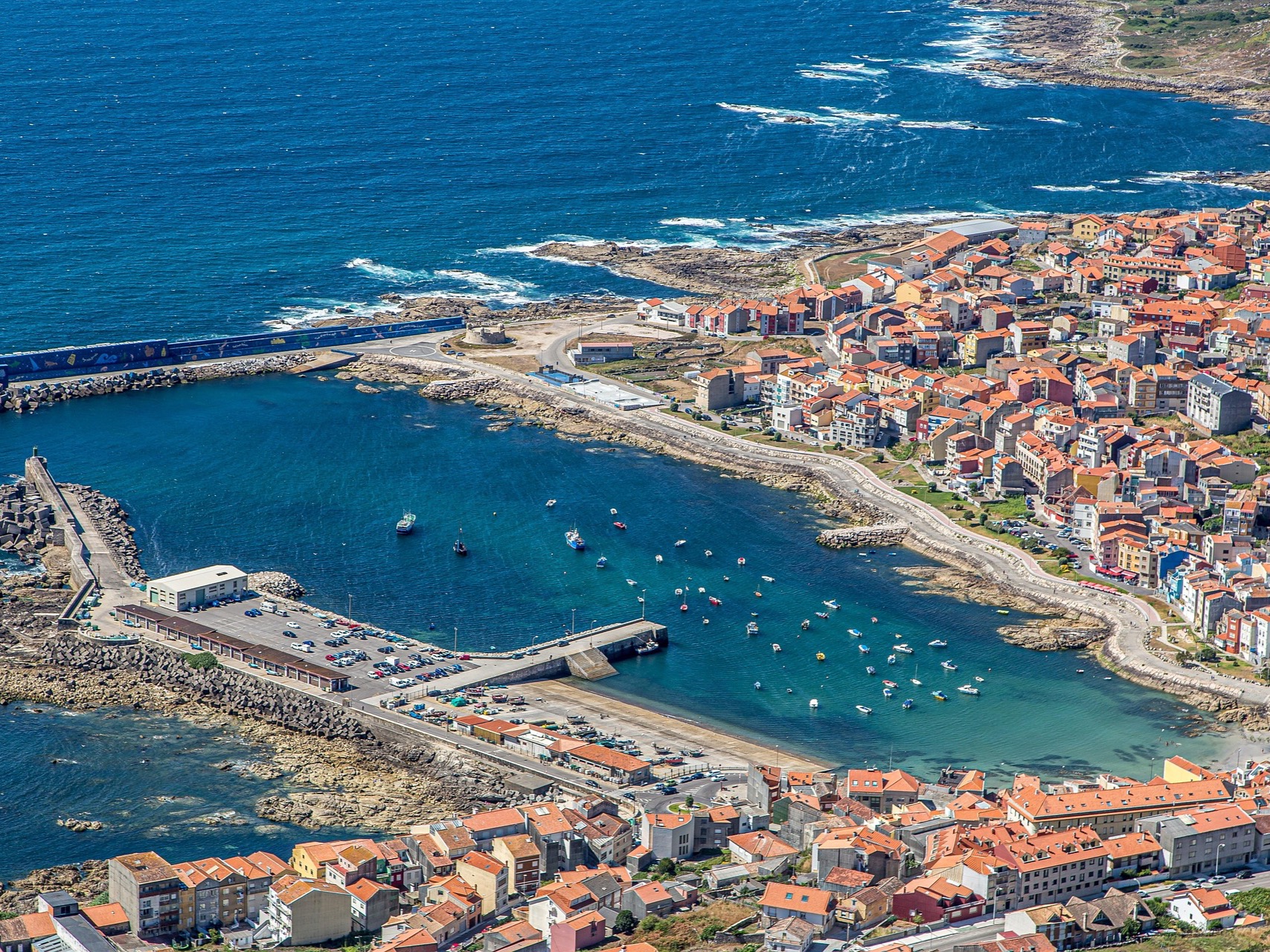
The Galician coastline is defined by rías — deep, fjord-like inlets that shelter fishing villages and produce some of Spain's best seafood, particularly octopus (pulpo) and the prized Albariño white wine of the Rías Baixas. Galician, a language closely related to Portuguese, is spoken widely alongside Spanish, and the region's festivals — from the unique coffin procession of Santa Marta de Ribarteme to the wild horse round-ups of Rapa das Bestas — carry a distinctly older, more rural character than the urban ferias further south.
Highlights
- Camino de Santiago — Santiago de Compostela is the pilgrimage route's final destination
- Celtic heritage — bagpipes, hillforts and folklore distinct from the rest of Spain
- Rías and seafood — fjord-like inlets produce Spain's finest octopus and Albariño wine
- Galician language — spoken widely alongside Spanish, closely related to Portuguese
Festivals in Galicia
Festas do Apóstolo
Two weeks of celebrations honouring St. James, culminating July 25th with the Botafumeiro ceremony, spectacular fireworks, free concerts, and street theatre.
Rapa das Bestas
In the tiny Galician village of Sabucedo, locals round up wild horses from the mountains and wrestle them with bare hands to trim their manes and tails. This raw, primal 400-year-old tradition is one of Spain's most visceral and unforgettable festivals.
Festa do Albariño
The Festa do Albariño in Cambados is Spain's premier white wine festival, celebrating the Rías Baixas region's world-famous grape. Five days of wine tastings, Galician seafood, folk music, and cultural events in a charming coastal town.
Fiesta de Santa Marta de Ribarteme
Those who survived a near-death experience are carried in open coffins through the streets as thanksgiving to Santa Marta. One of Europe's most unique celebrations.
Magosto
Galicia's autumn tradition of communal chestnut roasting around bonfires, celebrated across the region in November with new wine, music and ancient Celtic roots.
How to Get There
Santiago-Rosalía de Castro airport is Galicia's main international gateway, with routes across Spain and Europe; Vigo and A Coruña have smaller airports with domestic and limited European connections. High-speed rail links Madrid to Santiago in around 3.5 hours. Public transport thins out in the rural areas where festivals like Rapa das Bestas and Santa Marta de Ribarteme take place, so a rental car is genuinely useful for visiting more than the main cities.
Tips & Advice
Pack for rain regardless of season — Galicia is Spain's wettest region, and even summer brings unpredictable showers. Book well ahead for Santiago during Holy Years, when pilgrim numbers surge. Seafood here is a genuine highlight of any trip; don't skip a proper Galician meal alongside festival-going.