Batalla del Vino
Every 29 June, the small town of Haro in the heart of La Rioja wine country hosts one of Spain's most joyfully absurd festivals: the Batalla del Vino (Wine Battle). Thousands of participants hike to the Riscos de Bilibio cliffs at dawn and proceed to drench each other with wine — buckets, water guns, botas (wineskins) and any container imaginable. By mid-morning, everyone is stained purple from head to toe. Declared a Festival of National Tourist Interest, it's a unique celebration of Rioja's winemaking heritage.
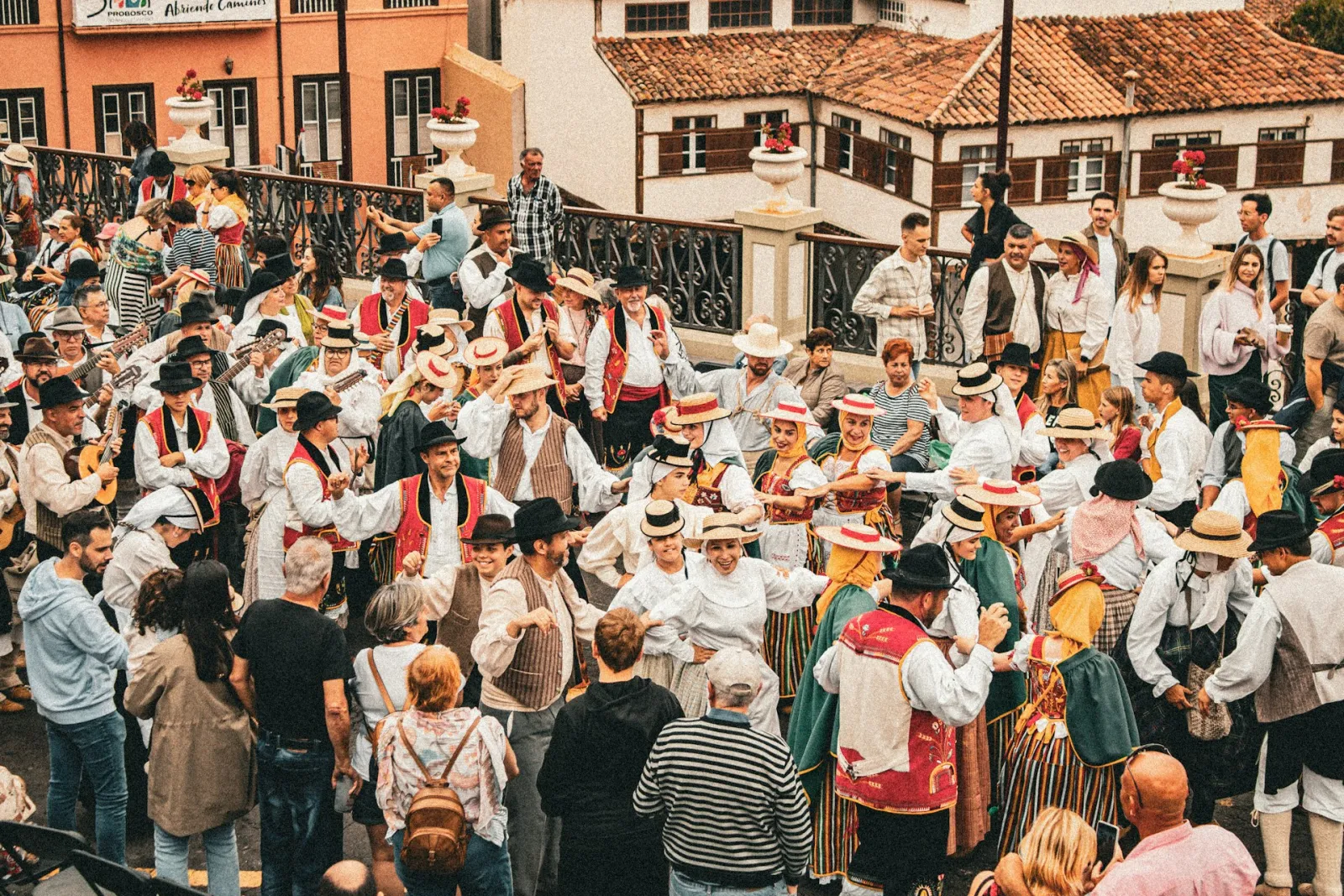
The days that matter
-
29 Jun 07:00
Hike to the Riscos de Bilibio
Thousands dressed in white carry their wine uphill from Haro to the beat of drums and txistus.
-
29 Jun 09:00
Mass at San Felices
A short outdoor mass at the hermitage, led by the mayor, who raises the town's standard.
-
29 Jun ~09:30
Batalla del Vino
The moment mass ends, buckets, spray guns, botas and even tractor tanks soak everyone in wine for about two hours.
-
29 Jun afternoon
Vaquillas
Back in town, young cows are run in Haro's bullring while the party carries on in the Plaza de la Paz.
What Batalla del Vino is like
- Messy
- Free
- Food & drink
- Noise
- Drums and txistus on the hike up, then a lot of happy shouting
- Fire
- No fire or fireworks: the ammunition here is red wine
- Crowds
- Thousands on a rocky hillside outside a town of 12,000
- Mess
- Everyone ends up purple from head to toe, and the whites stay stained
- With kids
- A dawn hike, rocky ground and a rowdy wine fight; better for adults
Highlights
There is nothing else quite like the Batalla del Vino anywhere in the world. It combines the joy of a massive food fight with the beauty of the Rioja countryside and the warmth of a small Spanish town at its most festive. Standing on a clifftop at dawn, surrounded by vineyards, drenched in wine and laughing with strangers — it's one of those pure, unforgettable moments that makes Spanish festival culture so special.
Date & Schedule
| Detail | Info |
|---|---|
| Date 2027 | 29 June 2027 (Feast of San Pedro) |
| Start | 7:00 AM — Hike to Riscos de Bilibio |
| Mass | 9:00 AM at the Hermitage of San Felices |
| Wine Battle | Immediately after mass (~9:30 AM) |
| Duration | About 2 hours of wine throwing |
| Location | Haro, La Rioja |
The festivities continue all day back in Haro's main square with music, bull-running events and wine tasting.
Location
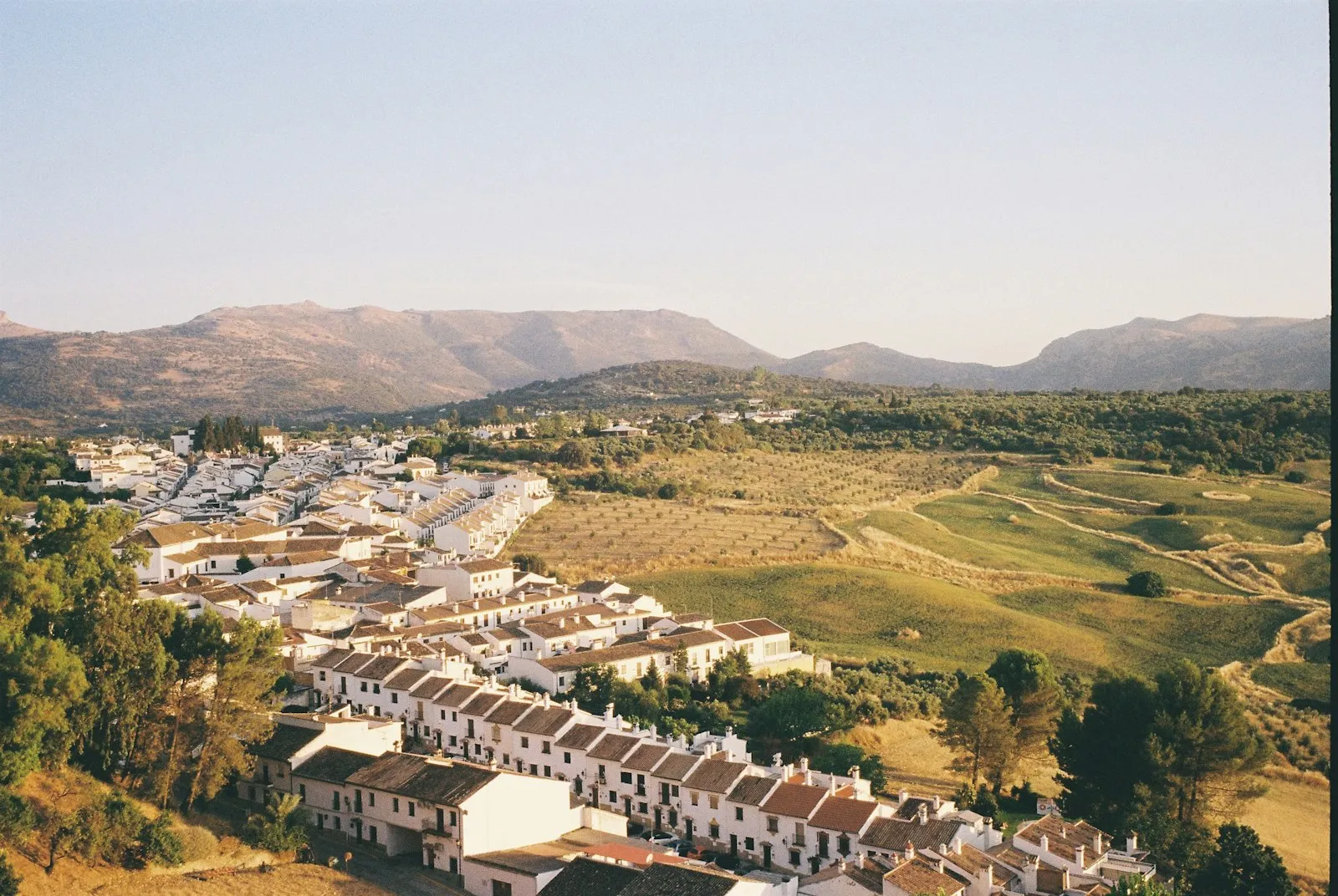
Haro is a charming town of 12,000 people in the Rioja Alta wine region, surrounded by vineyards. The Wine Battle takes place at the Riscos de Bilibio, a rocky outcrop about 6 km from town, near the Hermitage of San Felices (the hermit credited with bringing Christianity to the region). The hike up is part of the experience.
Key Events & Highlights
- The hike — Starting at 7 AM, thousands of white-clad participants carrying wine march uphill to drums and txistus (Basque flutes)
- Mass at the Hermitage — A brief outdoor mass led by the mayor, who raises the town's standard
- The Battle — The moment mass ends, the wine flows. Buckets, spray guns, botas and even tractors with tanks are used. Everyone is a target
- Return to Haro — The purple-stained crowd descends back to town for continued celebrations in the Plaza de la Paz
- Bull-running — Afternoon vaquillas (young cow running) in the town's bullring
- Wine tasting — Haro's famous Barrio de la Estación (Station Quarter) has many top bodegas open for visits
Gallery
Video
History & Origins
The origin of the Wine Battle traces to a centuries-old land dispute between Haro and the neighbouring village of Miranda de Ebro over the territory around the Riscos de Bilibio. Each year, the mayor of Haro would march to the hermitage with the town's residents to reassert their claim. At some point — legend says in the 17th century — the boundary-marking ritual turned into a wine-throwing free-for-all. The tradition was formalised in the 20th century and declared a Festival of National Tourist Interest in 1965.
What to Expect
- All white clothing — This is the dress code. Wear old clothes you don't mind ruining (they will be permanently stained purple)
- White scarf and sash — Red or purple by the end
- Waterproof phone case — Essential if you want photos
- Wine — Bring at least 5-10 litres of cheap red wine in plastic containers, water guns or spray bottles
- Closed shoes — The terrain is rocky. No flip-flops
- Sunscreen — Applied before, it won't last long under the wine
How to Get There
- By car: Haro is 1.5 hours from Bilbao, 1 hour from Logroño, 3 hours from Madrid via the AP-68
- By train: Renfe connects Haro to Logroño (30 min), Bilbao (2.5h) and Madrid (4h via Logroño or Miranda de Ebro)
- By bus: Regular service from Logroño and Bilbao
- Parking: Arrive very early (before 6 AM) or use shuttle buses from Haro centre to the Riscos
Tips & Advice
- Is it really wine? Yes — traditionally Rioja red wine, though some participants use cheaper wine. It's about celebration, not flavour
- Is it safe? Yes, though it gets rowdy. The atmosphere is friendly. Avoid glass bottles (banned) and watch your footing on the rocky hillside
- How much wine do I need? Bring as much as you can carry — 5-10 litres minimum. You can also buy more from vendors near the site
- Do I need a ticket? No — the Wine Battle is completely free and open to everyone
- What about the rest of the day? After the battle, the party continues in town with music, food and bull-running through the afternoon and evening
Fiestas de la Vendimia Riojana
Logroño, La RiojaLogroño's week-long harvest festival celebrates Rioja wine with grape stomping, a wine offering, bullfights, fireworks and the legendary Calle Laurel tapas scene.
Noche de San Juan
Alicante, ValenciaNoche de San Juan (St. John's Eve) is Spain's most magical night. On 23 June, beaches and towns across the country light up with bonfires as millions of Spaniards celebrate the summer solstice with fire, sea, and ancient rituals. It's one of those rare festivals that unites the entire country in celebration.
Hogueras de San Juan Alicante
Alicante, ValenciaThe Hogueras de San Juan (Fogueres de Sant Joan in Valencian) is Alicante's answer to Valencia's Fallas — and it's every bit as spectacular. Each June, the city fills with enormous artistic monuments (hogueras) that are paraded, admired and ultimately burned to ashes on the magical Noche de San Juan. With daily fireworks, parades, bonfires on the beach and the deafening mascletà at noon, it's a festival of fire, art and Mediterranean joy. Declared a Festival of International Tourist Interest.
San Juan Bonfires in A Coruña
A Coruña, GaliciaOn the night of 23 June, A Coruña's city beaches fill with hundreds of bonfires, grilled sardines and crowds that stay up until dawn. It is the city's biggest night of the year and a Festival of International Tourist Interest.