Aste Nagusia
Aste Nagusia (Great Week) is Bilbao's biggest annual celebration. For nine days in August, the Basque city transforms with concerts, fireworks, street theatre, and the beloved Marijaia figure presiding over it all. It's a free, open festival with incredible energy.
Highlights
Aste Nagusia captures everything wonderful about Basque culture — the warmth of the people, world-class gastronomy, and an infectious joy for celebration. It's a festival by locals, for locals, that warmly welcomes everyone.
Date & Schedule
| Detail | Info |
|---|---|
| Dates 2027 | Approximately 14–22 August 2027 |
| Opening | Arrival of Marijaia and the opening rocket (Saturday evening) |
| Closing | Burning of Marijaia (final Sunday) |
| Fireworks | Nightly at approx. 22:30 |
| Location | Bilbao city centre, especially Arenal and Casco Viejo |
Location
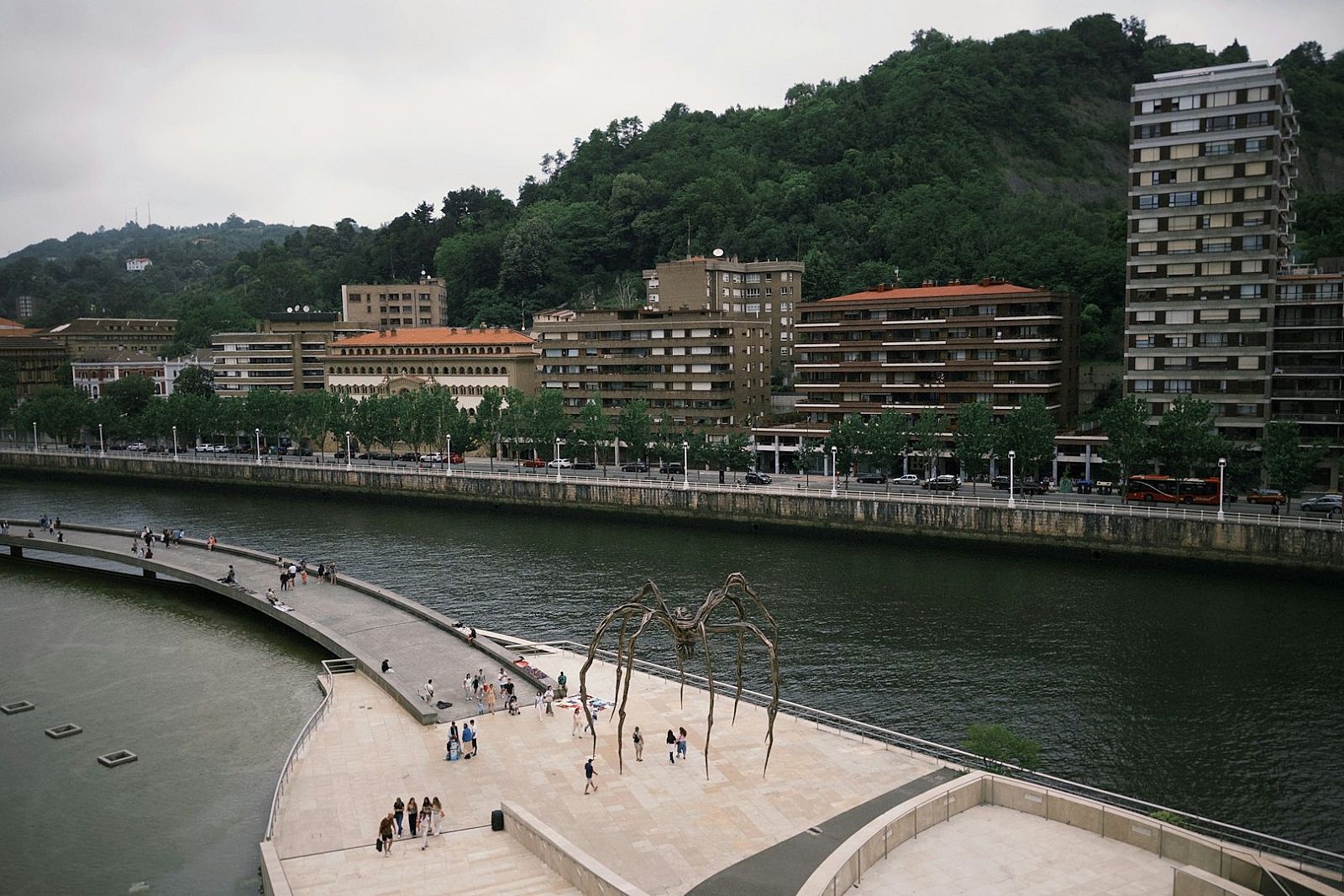
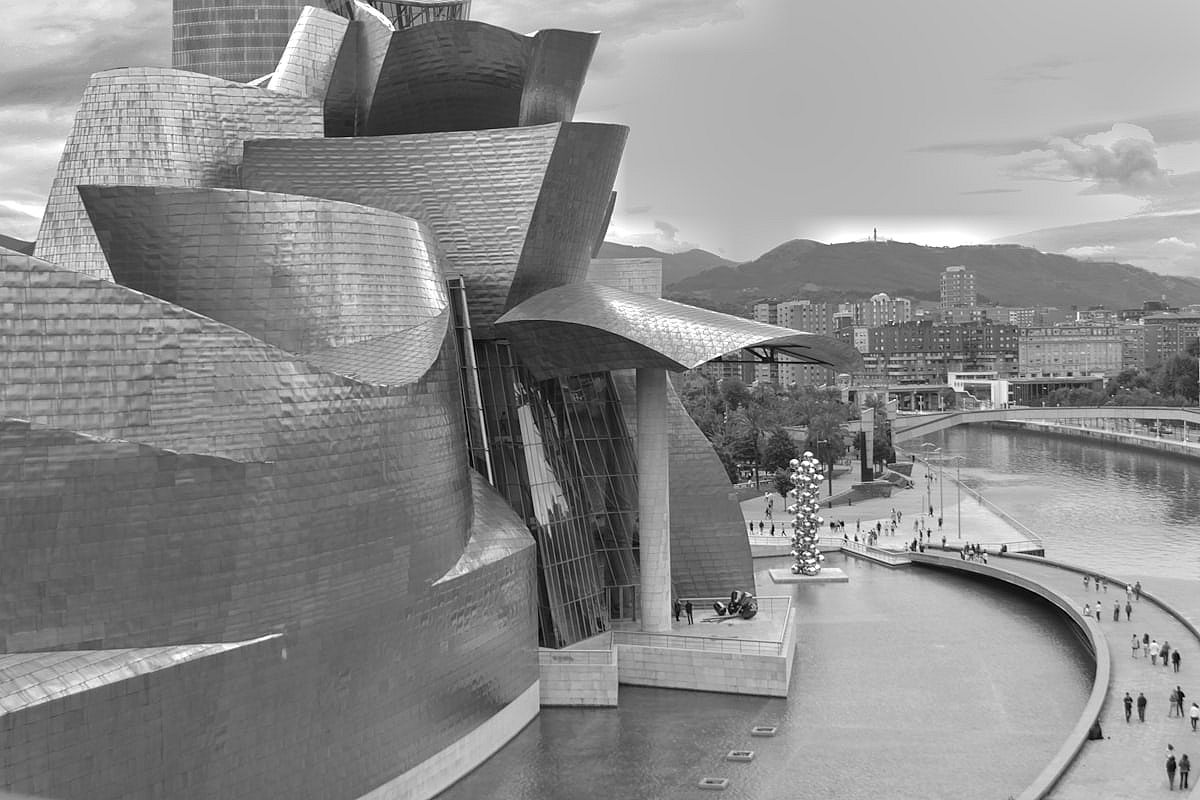
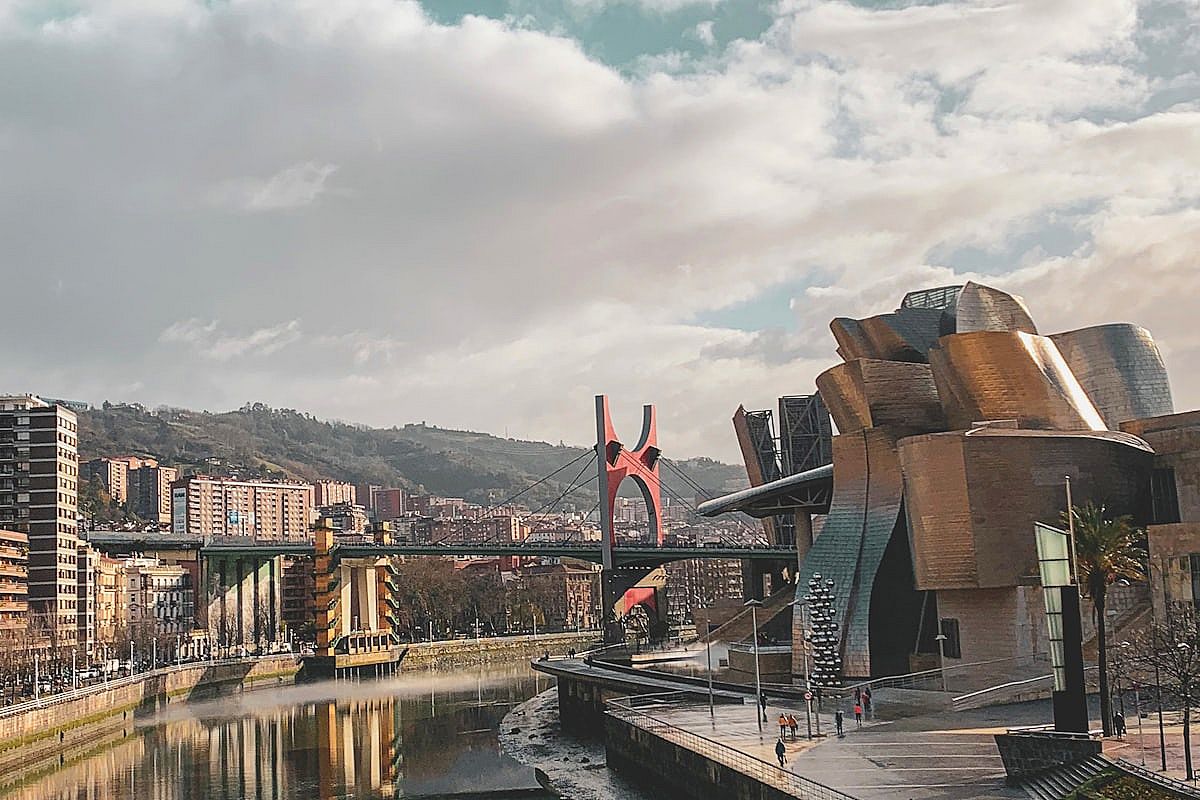
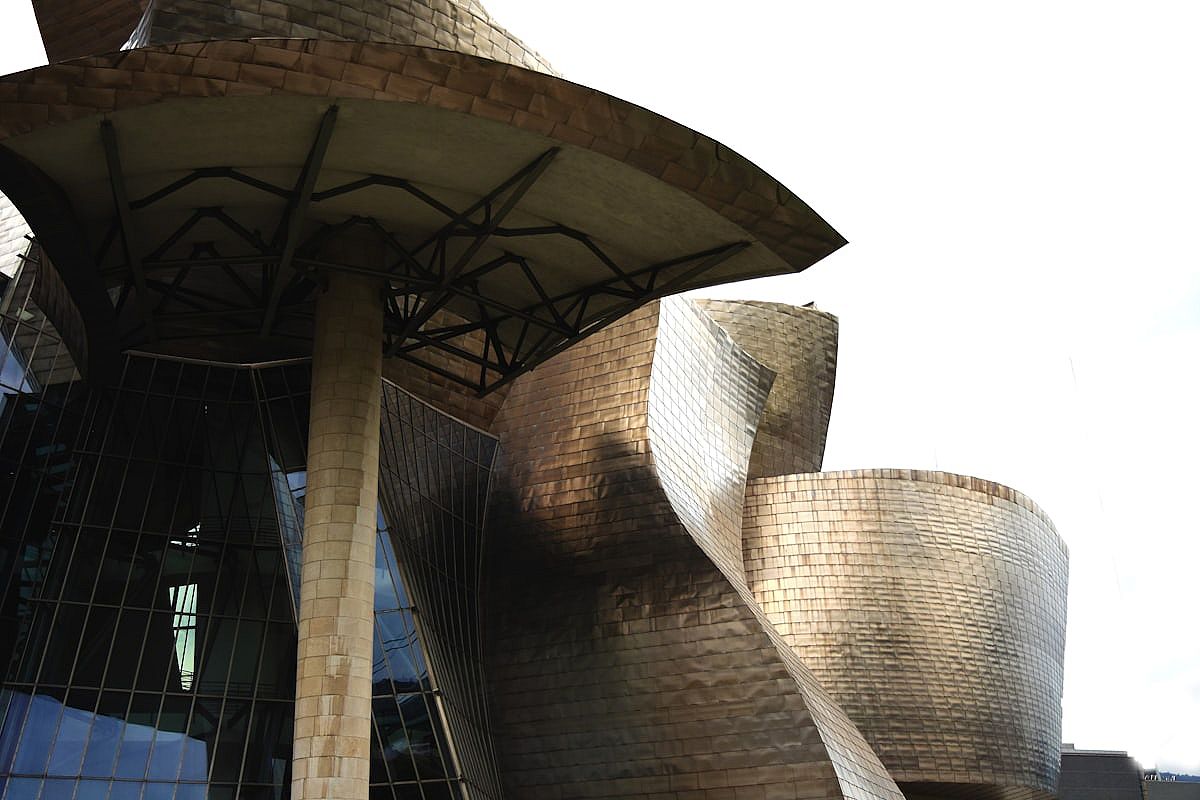
The festival fills Bilbao's city centre, with its epicentre at the Arenal, Plaza Nueva, the Casco Viejo (old town), and the Abandoibarra waterfront by the Guggenheim Museum. The main concert stage is set up in the Arenal.
Key Events
- Marijaia — the giant effigy that presides over the entire festival from the Arenal bandstand from the opening rocket to the closing burning
- Toros de fuego — firework-rigged bull frames that run through the crowds in the Casco Viejo's streets
- Fireworks competition — nightly pyrotechnic displays over the Nervión estuary
- Concerts — free performances by Spanish and international artists
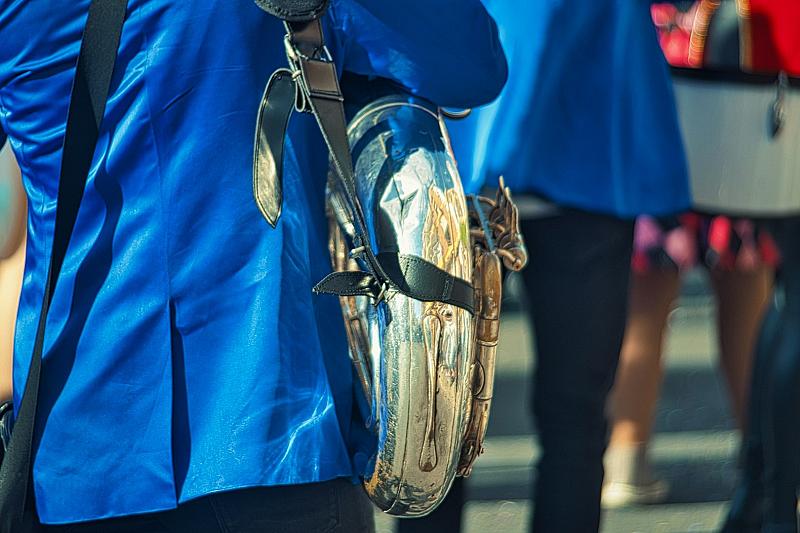
- Comparsas and txarangas — street bands keeping the old town moving all day
- Food — tortilla competitions, special pintxos, and txakoli wine flowing throughout
How to approach Aste Nagusia in Bilbao
Aste Nagusia is a broad urban celebration whose personality comes from the mix of concerts, street culture, food, traditional activity and night-time gathering. Do not reduce it to one stage or one evening. Use the current programme to select contrasting experiences and keep journeys short by grouping them around the same part of Bilbao.
The txosna areas are social spaces with their own rhythms and strong local participation. Enter respectfully, observe how queues and reusable cups work, and keep routes clear. Visitors who want a calmer introduction should begin earlier, learn the layout in daylight and return only if the night-time density suits them.
Aste Nagusia programme and daily planning
The detailed programme should shape the trip, not the other way around. Confirm the current dates, venues, reservation rules and late changes through the organiser or Bilbao's official visitor information. Older schedules remain useful for understanding the character of the event but cannot guarantee this edition's times. Save the essential listings offline and check them again before leaving the accommodation.
Build each day around one priority and one nearby alternative. Leave room for queues, security checks, street closures and a meal away from the busiest area. If an event reaches capacity or moves because of weather, the backup keeps the day enjoyable. Avoid buying a non-refundable journey tied to one unconfirmed performance.
Where to stay for Aste Nagusia
Choose accommodation by the journey home as well as the journey in. A central property may reduce late transport but can bring noise, crowds and a higher rate. A quieter district can be better value when it has a direct, dependable connection. Check the real walking route, hills, lighting and temporary closures rather than relying on straight-line map distance.
Compare cancellation terms, reception hours, luggage storage and accessibility before paying. Ask whether festival restrictions affect vehicle access or check-in. Reserve early when demand is strong, but never transfer money outside a protected booking channel. Keep the address and reservation details available without mobile data.
Transport and arrival strategy
Public transport and walking are often more predictable than driving during a large celebration. Consult live municipal notices because stations, bus stops and traffic routes can change. Plan at least two ways back and note the last practical connection. A charged phone and offline map help, but every traveller should also know the meeting point and accommodation address.
Arrive early enough to understand the area before it becomes crowded. Identify toilets, exits, medical assistance and a quiet place to regroup. Visitors with reduced mobility should confirm step-free routes and accessible viewing for the specific venue; city-wide accessibility statements do not answer every entrance or historic street.
Tickets, costs and avoiding bad purchases
Separate free public activity from reserved seats, concerts or special venues. Read the listing for each event and use only the sales route named by the organiser. Never assume that a festival pass covers an associated activity, or that a public square guarantees admission after capacity is reached. Keep proof of purchase offline.
A realistic budget includes accommodation, meals, local transport and an emergency reserve. Prices change, so current official listings and menus are more useful than old averages. Flexible plans often save more than chasing the cheapest non-refundable option. Decline unofficial tickets that cannot be transferred through an approved system.
Clothing, weather and personal safety
Comfortable closed shoes and adaptable layers suit long hours outdoors. Check the forecast, carry water where permitted and use sun or rain protection as conditions require. Take only a compact secure bag and review prohibited items before arrival. Keep valuables in inner pockets and avoid displaying a phone unnecessarily in dense crowds.
Eat regularly, pace alcohol and step into a quieter area before tiredness becomes a problem. Never block emergency access or ignore a steward's direction. If the group separates, return to the agreed point rather than pushing against crowd flow. Call for professional help when someone is unwell, lost or unsafe.
Local etiquette and a better visitor experience
Aste Nagusia belongs first to the people who sustain it. Keep residential entrances open, lower your voice during solemn activity and ask before taking close portraits. Do not climb street furniture or cross a procession, performance or controlled route for a photograph. Leave no litter and follow local rules even when other visitors do not.
Learn the names of the main traditions before arrival and listen to local explanations. A slower itinerary creates more meaningful encounters than racing through every headline. Use the Spain festival calendar to compare dates and avoid an unrealistic multi-city schedule.
Aste Nagusia FAQ
Do I need a ticket?
Some public activity may be free while specific events require booking or have capacity controls. Check every item in the current official programme.
How early should I arrive?
Allow time for transport changes, walking and security. Popular events need a larger margin, but the organiser's current access notice is the best guide.
Is the festival suitable for children or limited mobility?
Often yes, with careful selection. Compare noise, crowd density, toilets, surfaces and accessible entrances for the exact event before committing.
Gallery
Video
History & Origins
Aste Nagusia has been celebrated since 1978, making it relatively young but deeply loved. Key events include:
- Marijaia — The festival's mascot, a large papier-mâché figure of a joyful woman with arms raised, who arrives on opening night and is burned at the close
- Txosnas — Open-air bars run by local associations serving kalimotxo (red wine + cola), beer, and pintxos
- Fireworks competition — International pyrotechnic companies compete nightly
- Concerts — Free concerts across multiple stages
- Street theatre and circus — Daily performances throughout the city
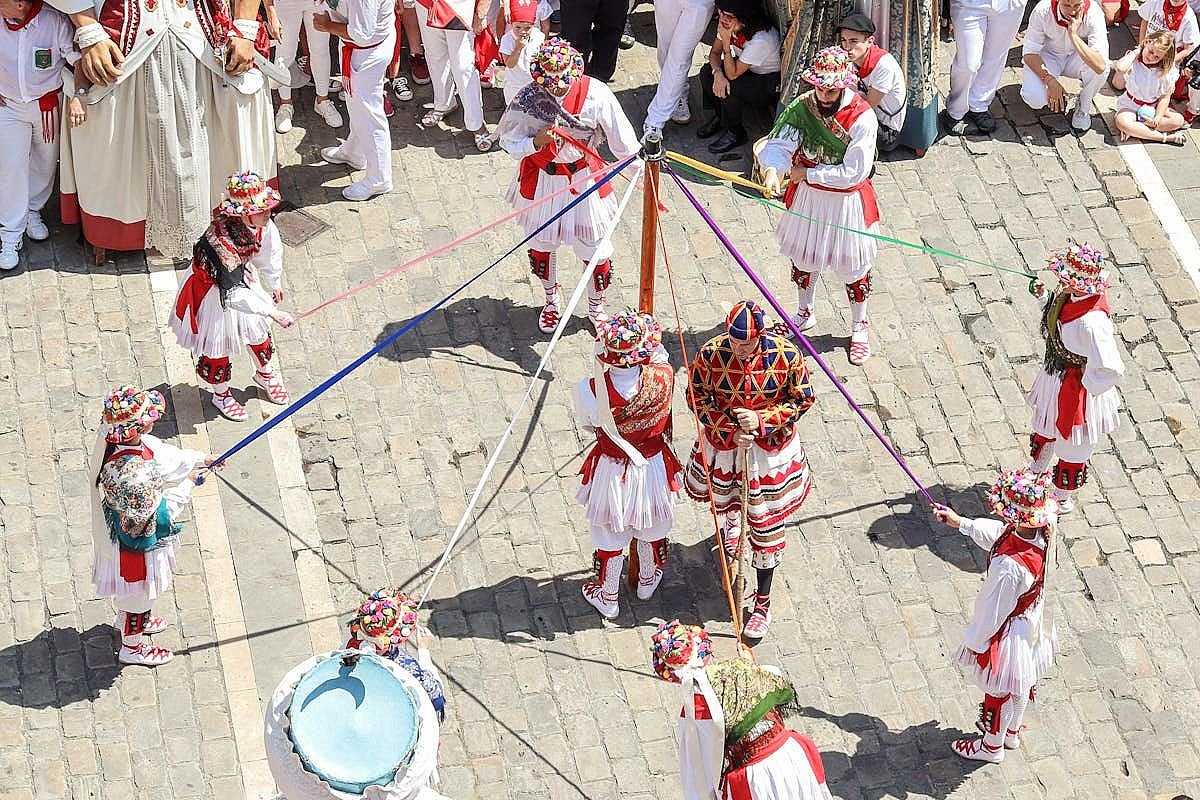
- Giant and big-head parades — Traditional Basque processions
What to Expect
- Rain gear — Bilbao in August can be unpredictable; pack a light rain jacket
- Comfortable shoes — Lots of walking on city streets
- Cash — For txosnas and street food
- Late nights — Festivities run until 3–4 AM
How to Get There
- Train: Renfe from Madrid (~5 hours) or direct from Barcelona
- Airport: Bilbao Airport (BIO), well connected to European cities
- Bus: ALSA services from major Spanish cities
- Metro/Tram: Excellent public transport within Bilbao
Tips & Advice
Is everything free? Yes! Aste Nagusia is famously free — all concerts, fireworks, and street events have no entry charge.
What is kalimotxo? The iconic Basque drink: red wine mixed with Coca-Cola. It's the drink of Aste Nagusia.
Plan Your Trip
Book accommodation and transport for this festival. Get the best deals on hotels and train tickets.
This page contains affiliate links. We may earn a commission at no extra cost to you.
 September
San Sebastián Film Festival
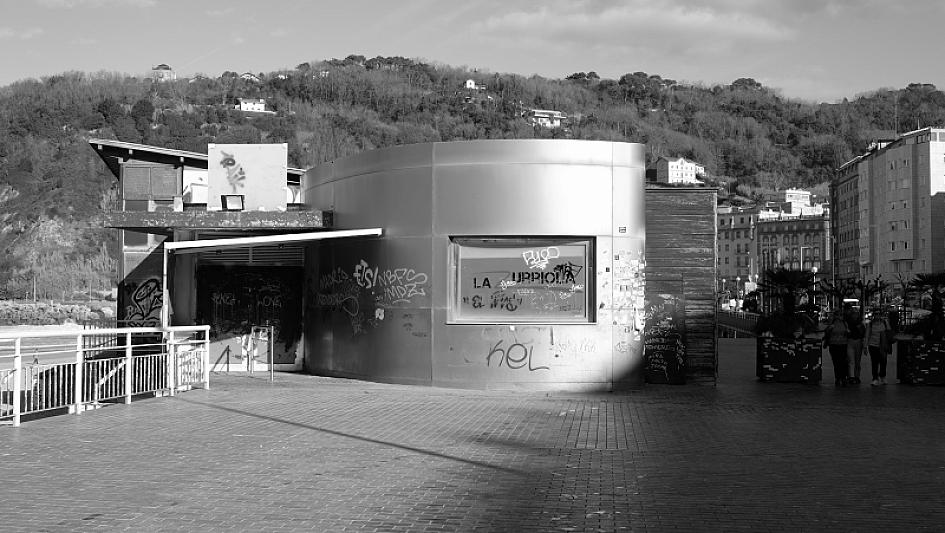
The San Sebastián Film Festival (SSIFF) is one of Europe’s most prestigious film festivals, held annually in September in Donostia-San Sebastián, with premieres, industry activity, and public screenings.
 July
July
BBK Live
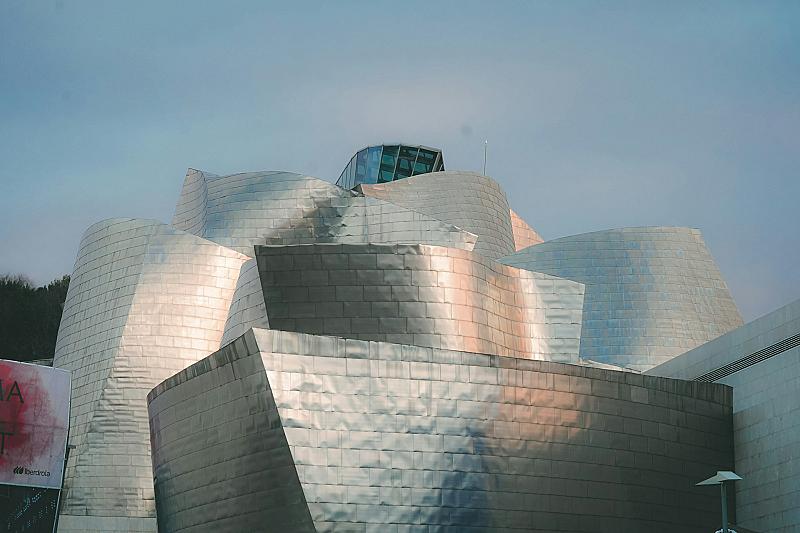
BBK Live is one of Spain's top music festivals, set on Mount Cobetas above Bilbao with stunning views of the Basque coastline. Three days of major international and Spanish acts across rock, indie, and electronic music, just minutes from the Guggenheim city.
 August
Semana Grande San Sebastián
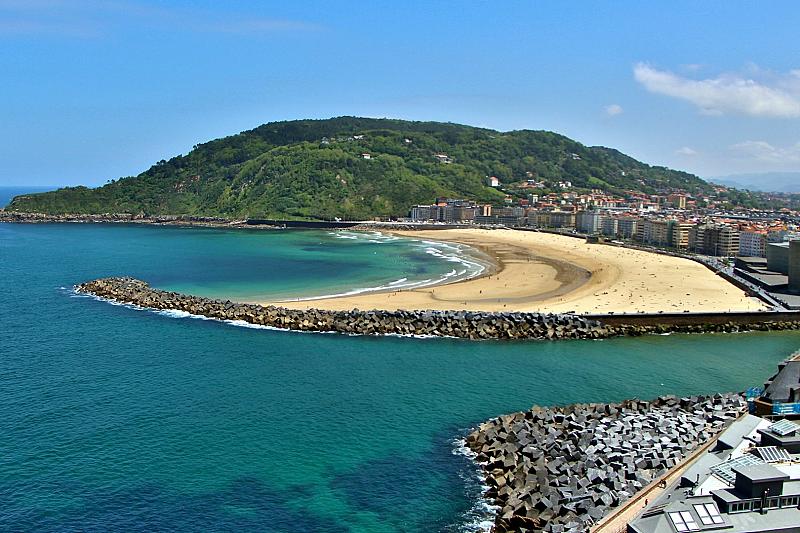
Semana Grande (Aste Nagusia in Basque) is San Sebastián's biggest annual celebration, transforming the elegant coastal city into a week-long party every August. Centred around the International Fireworks Competition over La Concha Bay, the festival combines world-class pyrotechnics with concerts, traditional Basque sports, street theatre and gastronomy. It's the cultural highlight of summer in the Basque Country.
 January
Tamborrada de San Sebastián
At the stroke of midnight on 20 January, the entire city of San Sebastián erupts into drums. The Tamborrada is one of Spain's most extraordinary traditions: for exactly 24 hours, over 15,000 drummers in more than 100 companies parade through the streets, playing without pause until midnight strikes again. Dressed as soldiers and cooks, they honour their patron saint — San Sebastián — in a thunderous celebration that defines Basque identity and civic pride.