Aragón
Rugged landscapes and dramatic festival traditions
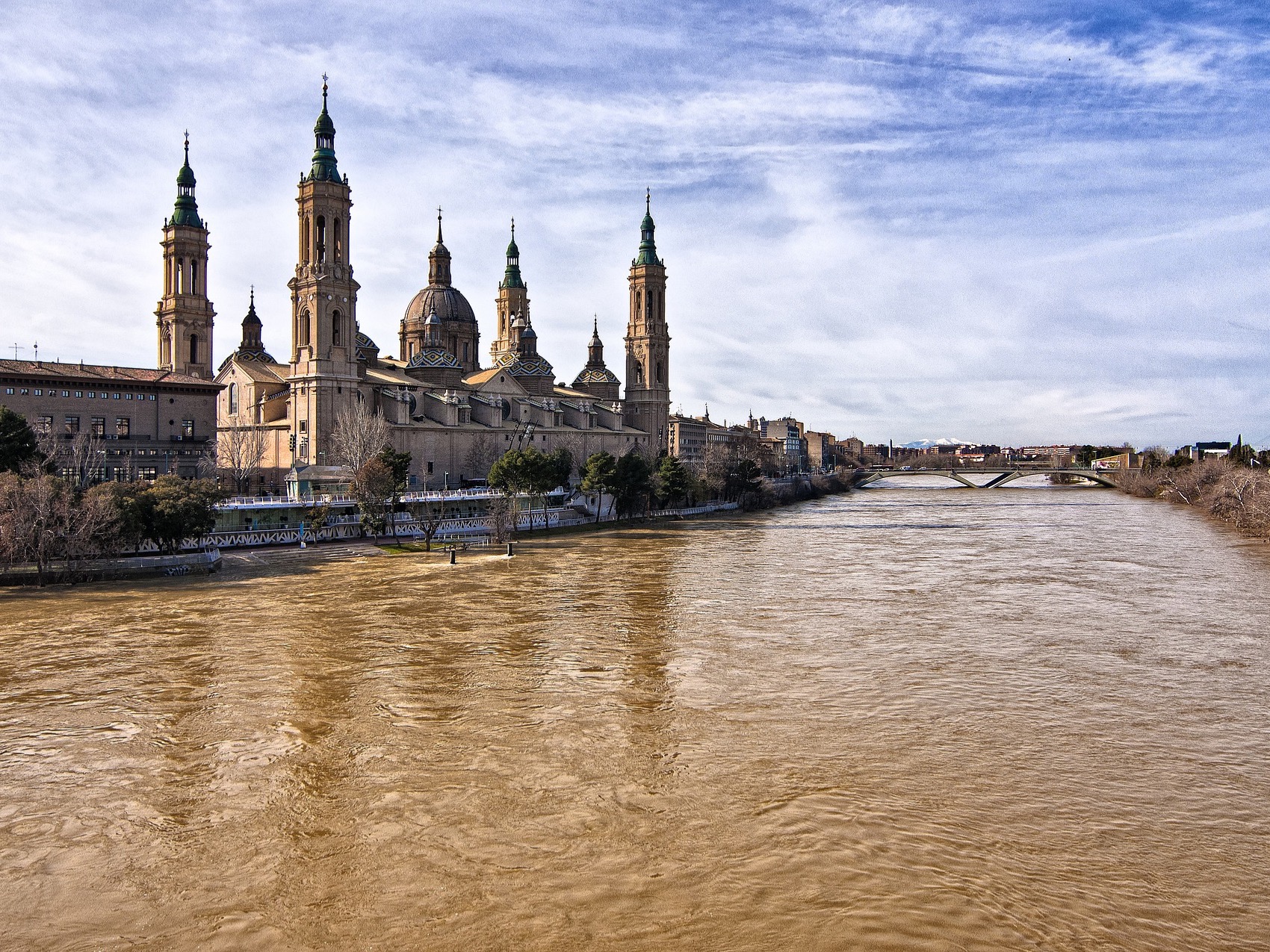
Aragón stretches from the high Pyrenees down through the Ebro valley to arid badlands near Teruel, a region of dramatic geographic contrast anchored by Zaragoza, its capital and by far its largest city. The Fiestas del Pilar each October, honouring the Virgen del Pilar, fill Zaragoza's streets with the Ofrenda de Flores — a flower-offering procession that draws hundreds of thousands of participants in traditional dress to build a towering floral mantle around the basilica's statue.
The region carries a strong Mudéjar architectural heritage, a distinctive style blending Islamic and Christian design that flourished after the Reconquista and earned UNESCO recognition across several Aragonese towns. The jota, a fast-paced folk dance and song tradition, is closely associated with Aragón and appears at festivals throughout the region. Away from Zaragoza, Aragón's Pyrenean north offers genuine mountain scenery and medieval towns like Daroca, host to its own annual medieval fair, that see far fewer tourists than comparable towns elsewhere in Spain.
Highlights
- Fiestas del Pilar — Zaragoza's October flower-offering procession draws hundreds of thousands
- Mudéjar architecture — UNESCO-recognised Islamic-Christian architectural fusion across several towns
- The jota — Aragón's signature folk dance and song tradition
- Pyrenean north — genuine mountain scenery with far fewer tourists than comparable regions
Festivals in Aragón
 October
Fiestas del Pilar
The Fiestas del Pilar are Zaragoza's most important annual festival, celebrating the patron saint of the city — and of Spain itself — the Virgen del Pilar, on 12 October. The celebration lasts over a week and is one of Spain's largest October festivals, drawing hundreds of thousands of visitors.
Medieval Fair of Daroca
The Feria Medieval de Daroca brings one of Aragon's most impressive walled towns back to its medieval heyday. Every July, Daroca's 4 km of walls, towers and Moorish gates frame a spectacular medieval market, theatrical reenactments, torchlit processions and artisan workshops. With its authentic architecture and passionate local participation, Daroca offers a medieval experience that feels genuinely lived-in rather than staged.
How to Get There
Zaragoza Airport has limited routes; most visitors arrive via Madrid or Barcelona, both under 1.5 hours away by high-speed AVE train — Zaragoza sits almost exactly halfway between the two. The Pyrenean north is best reached by car, as public transport to smaller mountain towns is limited.
Tips & Advice
Book ahead for Fiestas del Pilar in early October — Zaragoza fills up and the Ofrenda de Flores procession draws huge crowds to the basilica area. Aragón's smaller medieval towns reward a slower visit; Daroca and similar towns see a fraction of the tourism of comparable spots in Castile or Andalusia.