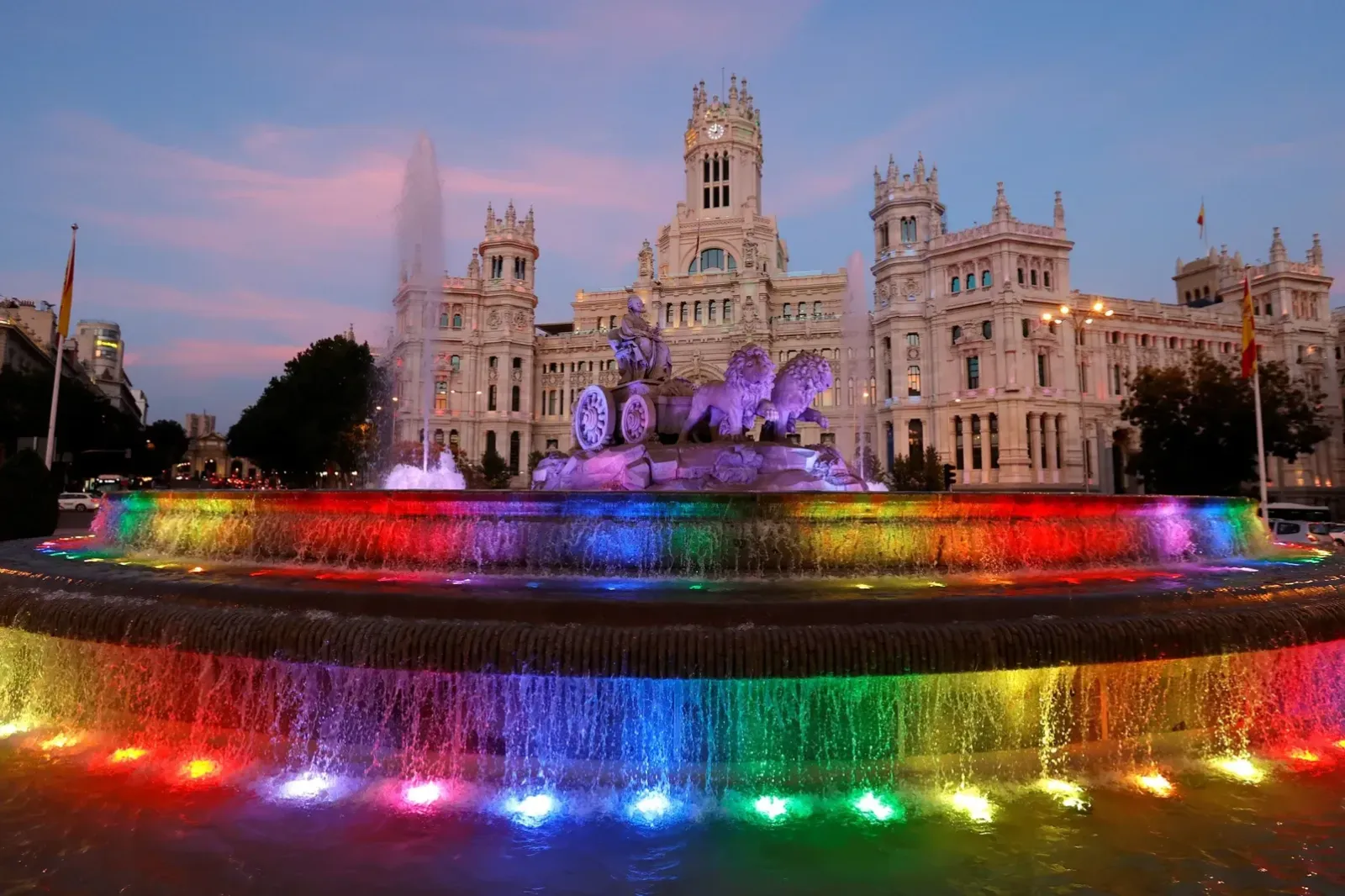
Madrid Orgullo
Madrid Orgullo is one of Europe's largest LGBTQ+ pride celebrations, transforming the Chueca neighborhood into a vibrant week-long party with parades, concerts, and over two million attendees.
Highlights
One of the largest Pride celebrations in the world, running since 1978
Hosted WorldPride in 2017, drawing over two million visitors
Saturday's march runs from Carlos V to Plaza de Colon over five hours
Concerts and stages fill Chueca, Callao, Sol, and Plaza de Espana all week
Madrid Orgullo (MADO) is one of the largest LGBTQ+ Pride celebrations in Europe, centred on the Chueca neighbourhood and running for roughly ten days each late June and early July. The programme builds through a full week of neighbourhood parties, concerts and cultural events — including Orgullo de Barrio, several days of free activities staged directly in Chueca's streets and squares — before culminating in the Big Parade, a march of floats and hundreds of thousands of participants from Atocha to Plaza de Colón on the first Saturday of July. Madrid's Pride traces back to gatherings held soon after Spain's 1978 decriminalisation of homosexuality, and has grown into one of the best-attended Pride events in the world, drawing visitors from across Europe and beyond to a city whose nightlife and public spaces turn over entirely to the celebration for the duration.
How to plan Madrid Pride
Madrid Orgullo spreads across several central neighbourhoods and combines public celebrations, cultural programming and major crowd events. Treat it as a citywide festival rather than a single parade. Use the official programme to choose priorities and confirm locations close to the date, since stages, access controls and transport arrangements can change. Chueca is the symbolic centre, but nearby streets and squares also become busy.
For the main parade, decide whether atmosphere or easy movement matters more. Central viewing areas fill early and can be slow to leave. A position farther from the densest points may offer less obstruction and a simpler route home. Set a meeting point in advance, keep water available and follow crowd-management instructions. Pride is celebratory and political; respect participants, consent and personal boundaries when taking photographs.
Transport and where to stay
Madrid's metro and suburban rail network make a car unnecessary for most visitors. Some central stations or entrances may operate differently during the largest events, so check live transport notices before departure. Stay within walking distance if nightlife is the priority, or choose a quieter neighbourhood on a direct metro line for better rest. Compare cancellation terms because demand can raise accommodation prices.
Budget, accessibility and safety
Many outdoor activities are free, but accommodation, meals, club tickets and late transport can make the trip expensive. Build the budget around the events you genuinely plan to attend and buy ticketed activities only from official sellers. Visitors who need step-free routes, quieter areas or other support should review the current accessibility information and contact organisers or venues when details are unclear.
Madrid can be hot during Pride. Plan shade and indoor breaks, protect yourself from the sun and look after friends without making assumptions about strangers. In an emergency use the official services on site or Spain's emergency number. The Spain festival calendar helps place Pride within a longer Madrid or central-Spain trip.
Madrid Pride FAQ
Is Madrid Pride only for LGBTQ+ visitors?
No. Supportive visitors are welcome, provided they respect that the event centres LGBTQ+ communities, rights and visibility.
Do I need a ticket?
The parade and many street activities are public. Individual concerts, clubs or special events may require tickets, so check each organiser's conditions.
Where can I find confirmed times?
Use the official Madrid Orgullo programme close to the festival. Avoid relying on schedules copied from previous editions.
Keep a portable battery and save the address of your accommodation before entering the busiest streets. If your group separates, use the agreed meeting point instead of stopping in an exit lane. Check the final metro service and any temporary station changes before the evening begins.
Carry the venue address as well as its name, because similarly named stages and meeting areas can cause confusion.
History & Origins
Madrid's Pride celebrations, popularly known by the acronym MADO, take place in the Chueca neighbourhood in the centre of the city around the weekend following June 28th, International LGBTIQ+ Pride Day, which marks the anniversary of the 1969 Stonewall uprising in New York. Spain's first pride demonstration took place in Barcelona in 1977, but Madrid held its own march the following year, on June 25, 1978, organised by the Frente de Liberacion Homosexual de Castilla and drawing around 7,000 participants along Avenida Menendez Pelayo. The event has been held annually since, with the exception of 1980 and 2020, gradually shifting from a purely political demonstration into a broader celebration once participants began returning to Chueca afterwards to keep celebrating. The first parade float was introduced in 1996, and after Spain legalised same-sex marriage in 2005, attendance surged dramatically. In 2007 Madrid was chosen to host Europride, and in 2017 it hosted WorldPride, the largest LGBTIQ+ event in the world, drawing an estimated 2.2 to 2.3 million people. The Madrid city council formally declared the festival an Event of General Interest in 2016.
What to Expect
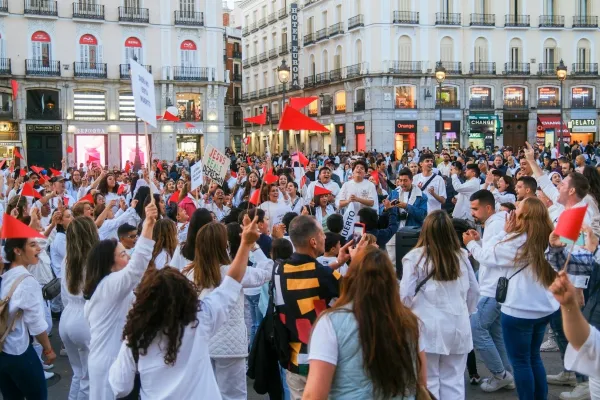
The ten-day festival opens on Wednesday evening with a "pregon" opening address delivered by public figures in Plaza Pedro Zerolo, followed by a week of concerts, stage shows, and events across central Madrid, including a heels race through the streets of Chueca and the Mr Gay Pride Spain contest in Plaza de Callao. Stages set up in squares such as Callao, Plaza de Espana, Puerta del Sol, and Plaza de la Independencia host live music into the small hours throughout the week, with major national and international artists performing each year. The central event is the Saturday afternoon march, organised by the LGBTIQ+ advocacy groups COGAM and FELGTB, which runs for around five hours from Plaza del Emperador Carlos V, along Paseo del Prado, through Plaza de Cibeles and Paseo de Recoletos, to Plaza de Colon, drawing well over a million participants and spectators. Colourful parade floats representing organisations and businesses have accompanied the march since the mid-1990s, giving the demonstration its festive character alongside its original political message.
How to Get There
Madrid is served by Adolfo Suarez Madrid-Barajas Airport, one of the best-connected hubs in Europe, and by an extensive high-speed and regional rail network linking the capital to cities across Spain. Chueca and the festival's central venues are located in the heart of Madrid and are easily reached by metro, with Chueca and Gran Via stations providing direct access; the march route itself runs along major central avenues that are well served by multiple metro lines.
Tips & Advice
Book accommodation well ahead, since Madrid's hotels regularly reach very high occupancy during the festival and prices rise accordingly. The march and surrounding streets draw enormous crowds, so expect significant walking, limited seating, and busy public transport, particularly on Saturday; arriving early secures a better viewing spot along the route. Evening temperatures in late June and early July are usually warm, so light clothing, sun protection during the day, and comfortable shoes for a great deal of walking and standing are all worth packing. As one of the largest LGBTIQ+ celebrations in the world, the atmosphere is generally welcoming and festive, though as with any very large public gathering it is sensible to keep valuables secure and agree on a meeting point with your group in case you get separated in the crowds.
Plan Your Trip
Book accommodation and transport for this festival. Get the best deals on hotels and train tickets.
This page contains affiliate links. We may earn a commission at no extra cost to you.
 December
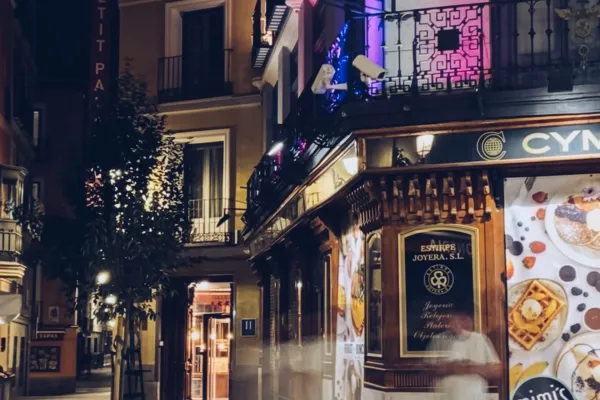
Nochevieja en la Puerta del Sol
Every December 31st, tens of thousands gather at Madrid's Puerta del Sol to eat 12 grapes — one with each chime of the clock at midnight. This uniquely Spanish tradition, broadcast live to 12 million TV viewers, is the country's most iconic New Year's Eve celebration.
 December
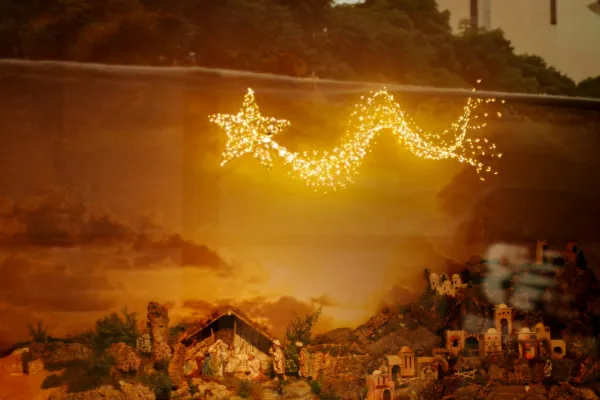
El Gordo — Spanish Christmas Lottery
Every December 22nd, Spain stops to watch 'El Gordo' — the world's biggest lottery draw, a 200+ year tradition where children sing out winning numbers in the Teatro Real.
 June
June
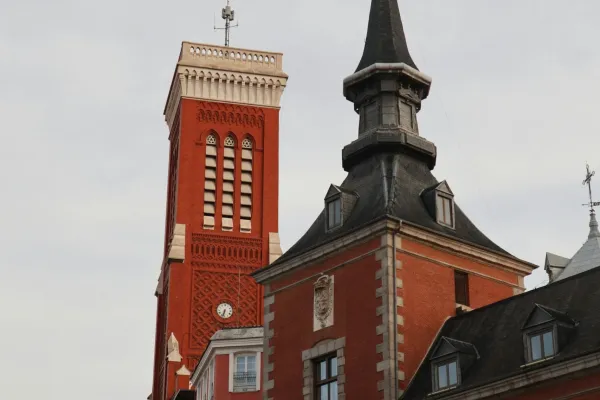
Fiesta de San Antonio de la Florida
Every June 13th, young madrileñas visit the Ermita de San Antonio de la Florida to place 13 pins in the baptismal font, hoping the saint will help them find a partner.
 May
May
San Isidro
The Fiestas de San Isidro are Madrid's most beloved traditional celebrations, honouring the city's patron saint, San Isidro Labrador. Every May, the capital comes alive with free concerts, traditional chotis dancing, markets, and a joyful atmosphere that captures the authentic spirit of Madrid.