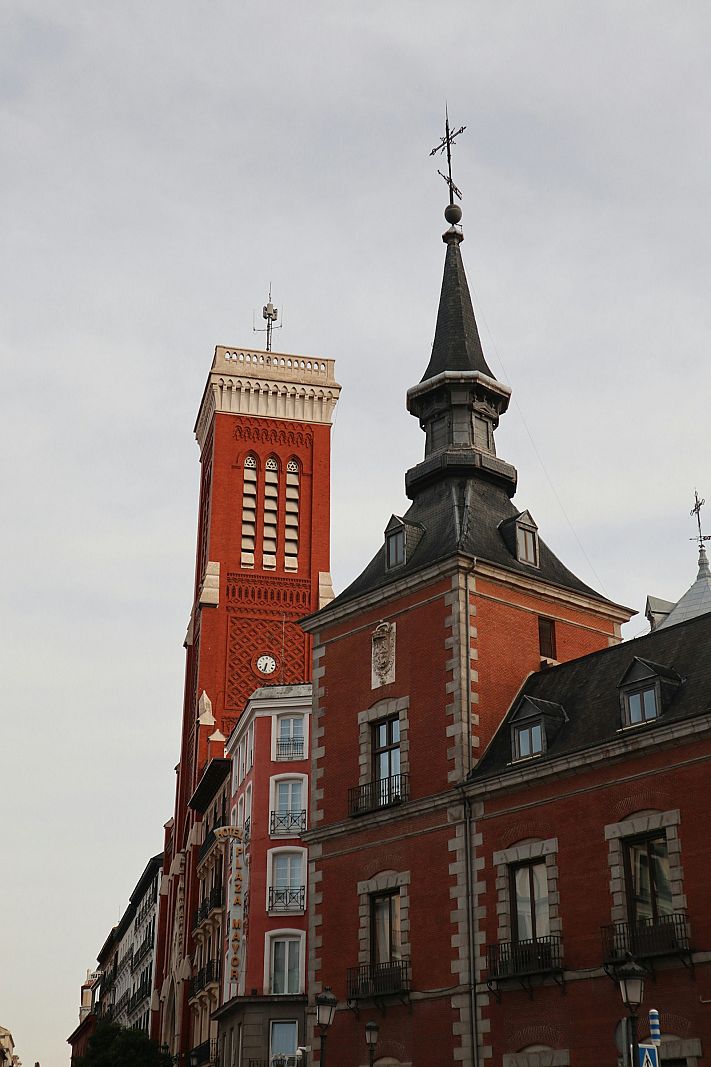
Fiesta de San Antonio de la Florida
Every June 13th, young madrileñas visit the Ermita de San Antonio de la Florida to place 13 pins in the baptismal font, hoping the saint will help them find a partner.
Highlights
- The tradition of 13 pins in the baptismal font
- Goya's stunning ceiling frescoes in the ermita
- Verbena atmosphere with live music and dancing
- Traditional rosquillas and churros stalls
- Riverside setting along the Manzanares
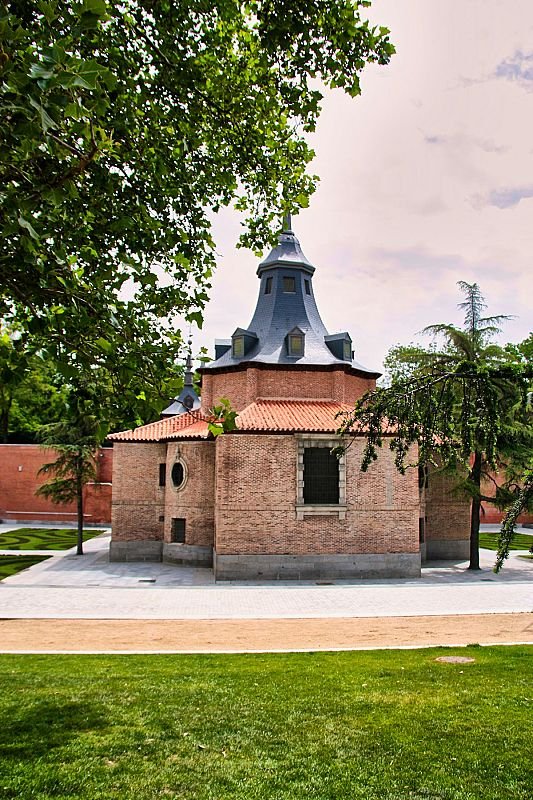
The Fiesta de San Antonio de la Florida is one of Madrid's most charming traditional celebrations, held every June 13th at the Ermita de San Antonio de la Florida — a small neoclassical chapel famous for its ceiling frescoes painted by Francisco de Goya.
The main tradition involves young single women ('modistillas') placing 13 pins into the baptismal font and then dipping their hand in. According to tradition, the number of pins that stick to their hand indicates how many suitors they'll have that year.
The surrounding area along the Manzanares river comes alive with verbena atmosphere — live music, traditional food stalls selling rosquillas (ring-shaped pastries), churros and lemonade, and dancing until late.
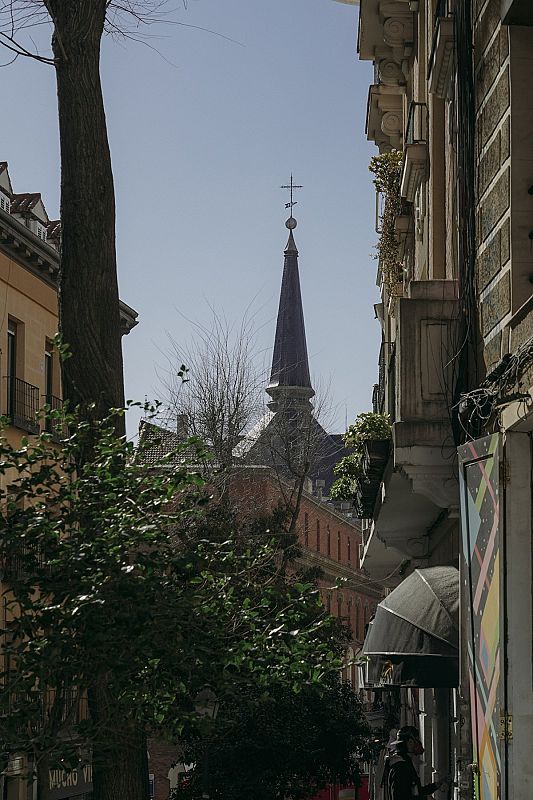
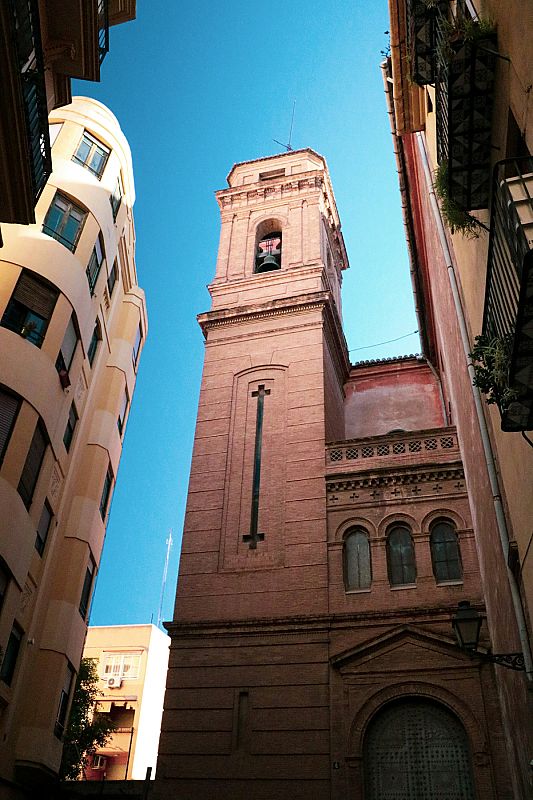
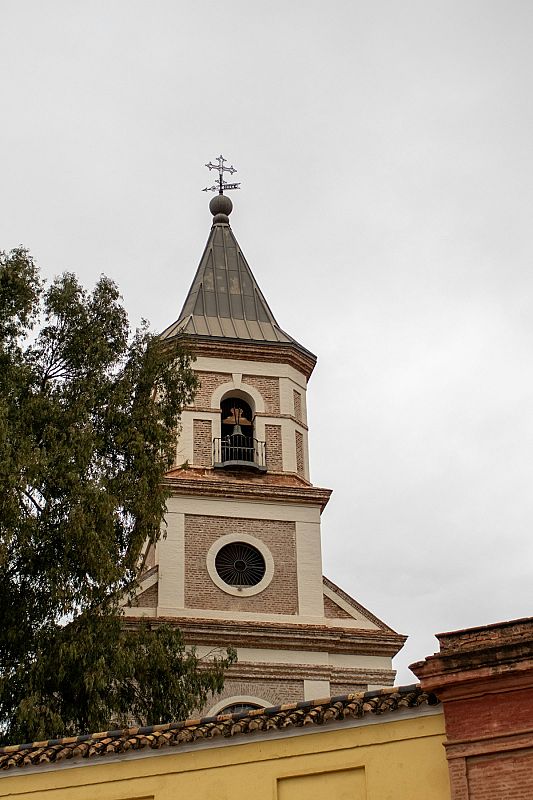
Gallery
What to Expect
A quintessentially Madrid verbena experience. The chapel itself is tiny, so expect queues to see the baptismal font. The real charm is in the outdoor celebration — locals dressed in traditional 'chulapo' attire, accordion music, and the smell of freshly fried churros.
How to Get There
The Ermita de San Antonio de la Florida is in central Madrid, next to the Manzanares river. The nearest metro is Príncipe Pío (lines 6, 10, R). Cercanías trains also stop at Príncipe Pío station.
Tips & Advice
- Go early to avoid long queues at the ermita
- Take metro to Príncipe Pío station (lines 6, 10, R)
- Try all three types of rosquillas: tontas, listas and Santa Clara
- Visit Goya's tomb inside the chapel while you're there
Plan Your Trip
Book accommodation and transport for this festival. Get the best deals on hotels and train tickets.
This page contains affiliate links. We may earn a commission at no extra cost to you.
 January
Día de los Reyes Magos
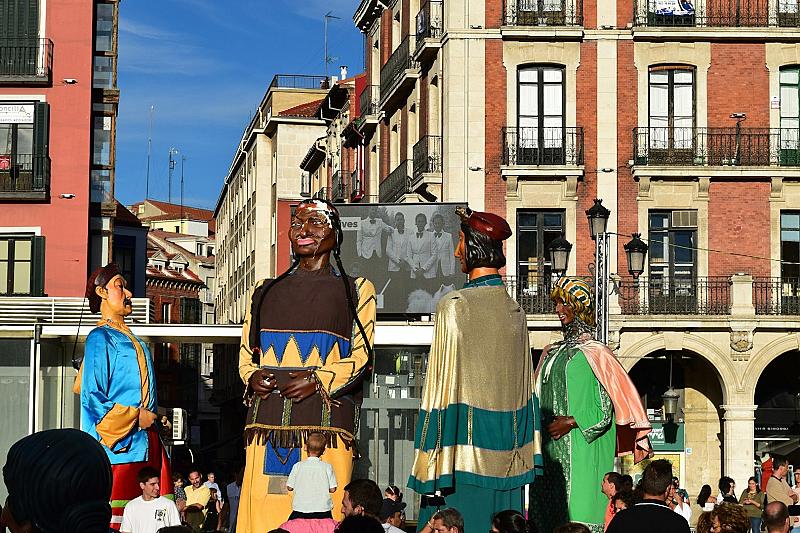
Día de los Reyes Magos (Three Kings Day) is the most important gift-giving day in Spain — bigger than Christmas Day. On the evening of 5 January, spectacular parades (cabalgatas) wind through every city and town as the Three Kings — Melchor, Gaspar, and Baltasar — arrive to deliver gifts to children.
 June
June
Madrid Orgullo
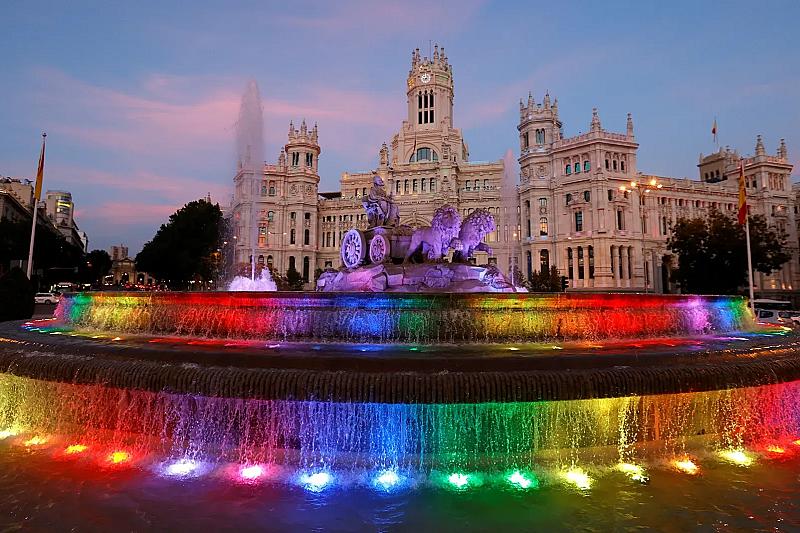
Madrid Orgullo is one of Europe's largest LGBTQ+ pride celebrations, transforming the Chueca neighborhood into a vibrant week-long party with parades, concerts, and over two million attendees.
 December
Mercado de Navidad de Plaza Mayor
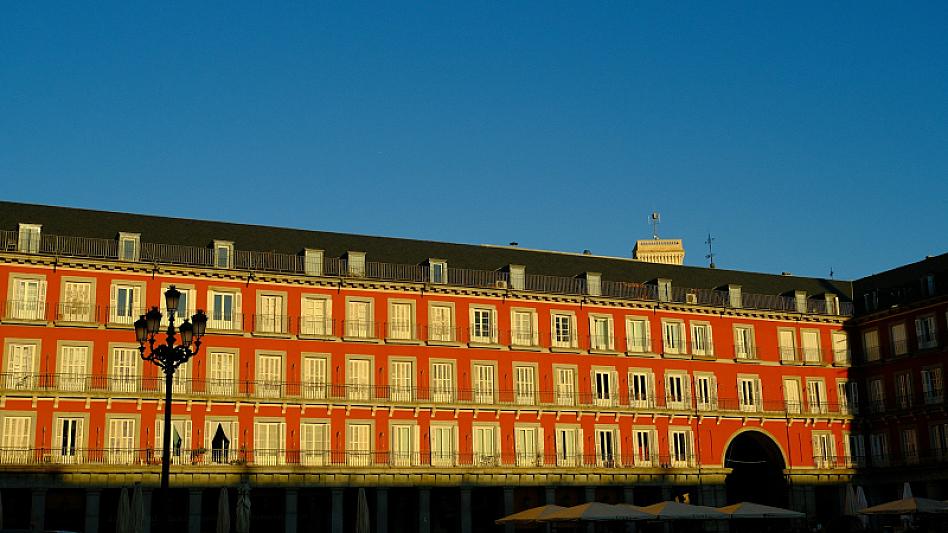
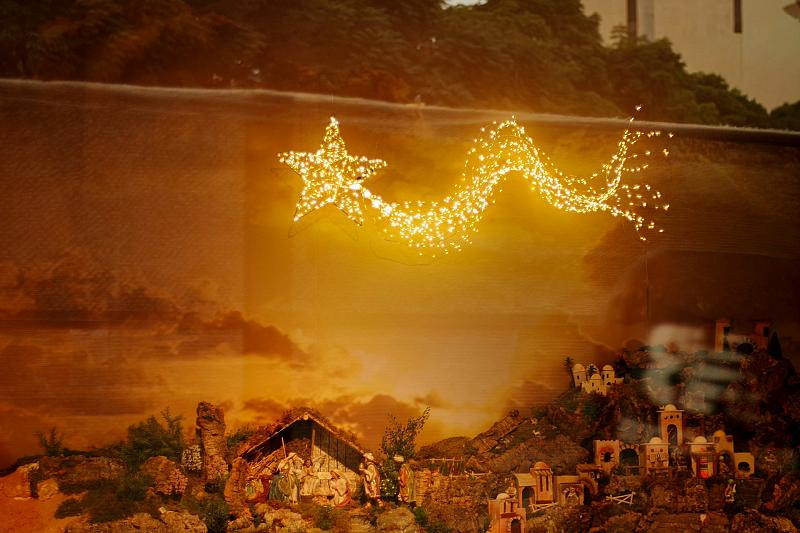
Madrid's iconic Plaza Mayor hosts Spain's most famous Christmas market since 1860, with over 100 stalls selling nativity figures, ornaments, costumes and traditional joke items.
 December
El Gordo — Spanish Christmas Lottery
Every December 22nd, Spain stops to watch 'El Gordo' — the world's biggest lottery draw, a 200+ year tradition where children sing out winning numbers in the Teatro Real.