San Isidro
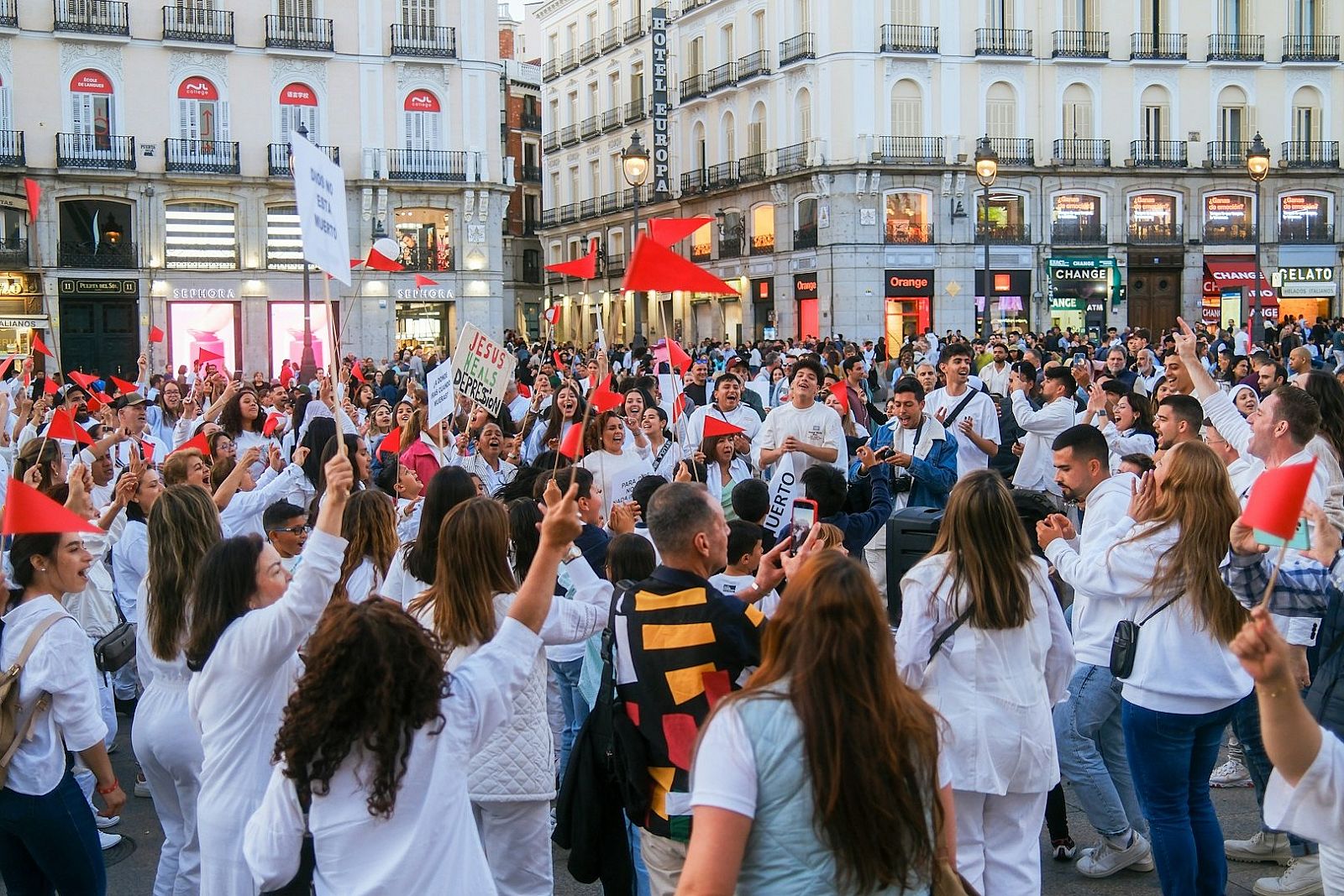
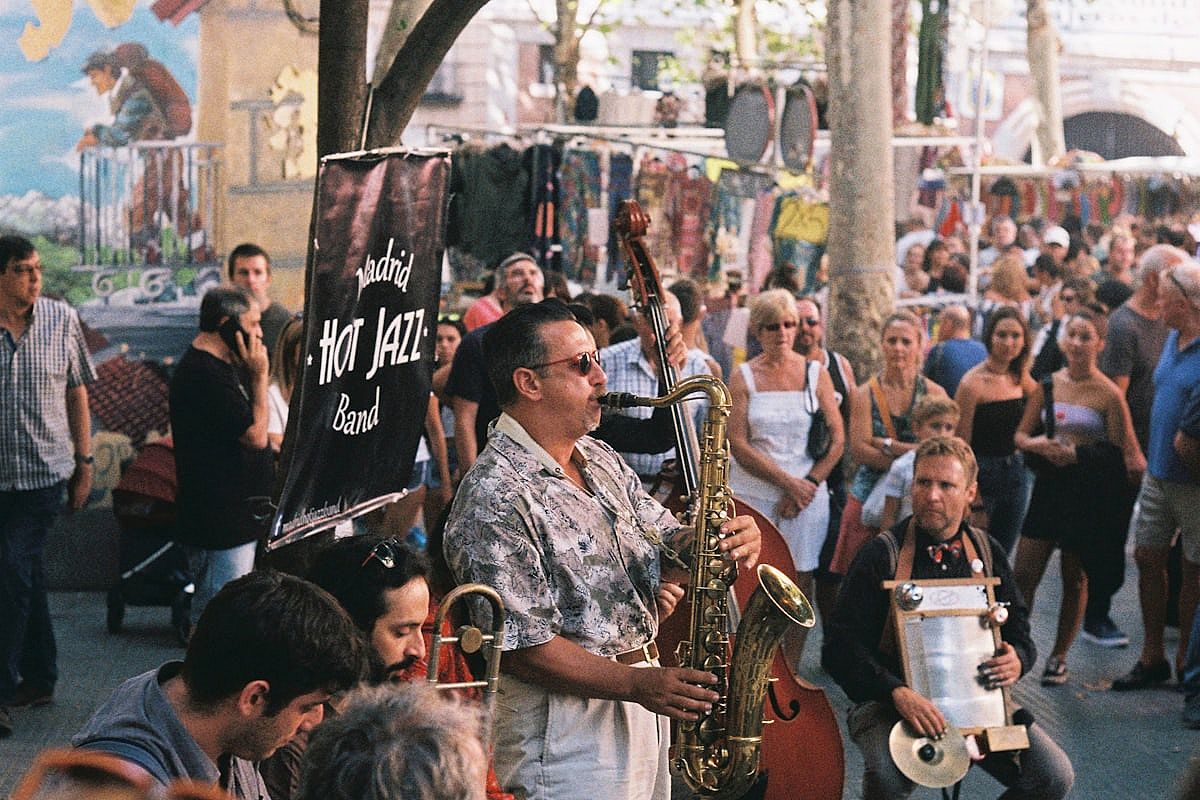
The Fiestas de San Isidro are Madrid's most beloved traditional celebrations, honouring the city's patron saint, San Isidro Labrador. Every May, the capital comes alive with free concerts, traditional chotis dancing, markets, and a joyful atmosphere that captures the authentic spirit of Madrid.
Highlights
San Isidro is the most authentically madrileño celebration of the year. The Pradera feels like stepping into a Goya painting brought to life. Combined with world-class free concerts and the infectious energy of Madrid, it is an essential experience.
Date & Schedule
| Detail | Info |
|---|---|
| Saint's Day | 15 May |
| Festival period 2027 | Approximately 8–17 May 2027 |
| Pradera de San Isidro | All day on 15 May |
| Location | Throughout Madrid, especially Pradera de San Isidro |
Location
The celebrations spread across all of Madrid, but the heart is the Pradera de San Isidro, a meadow beside the Manzanares River near the Ermita de San Isidro. The neighbourhoods of La Latina, Lavapiés, and Puerta del Sol also host major events.
Key Events & Highlights
- Pradera de San Isidro — Traditional pilgrimage where madrileños dress as chulapos and chulapas, eat rosquillas, and drink lemonade
- Chotis dancing — Madrid's traditional dance performed in pairs
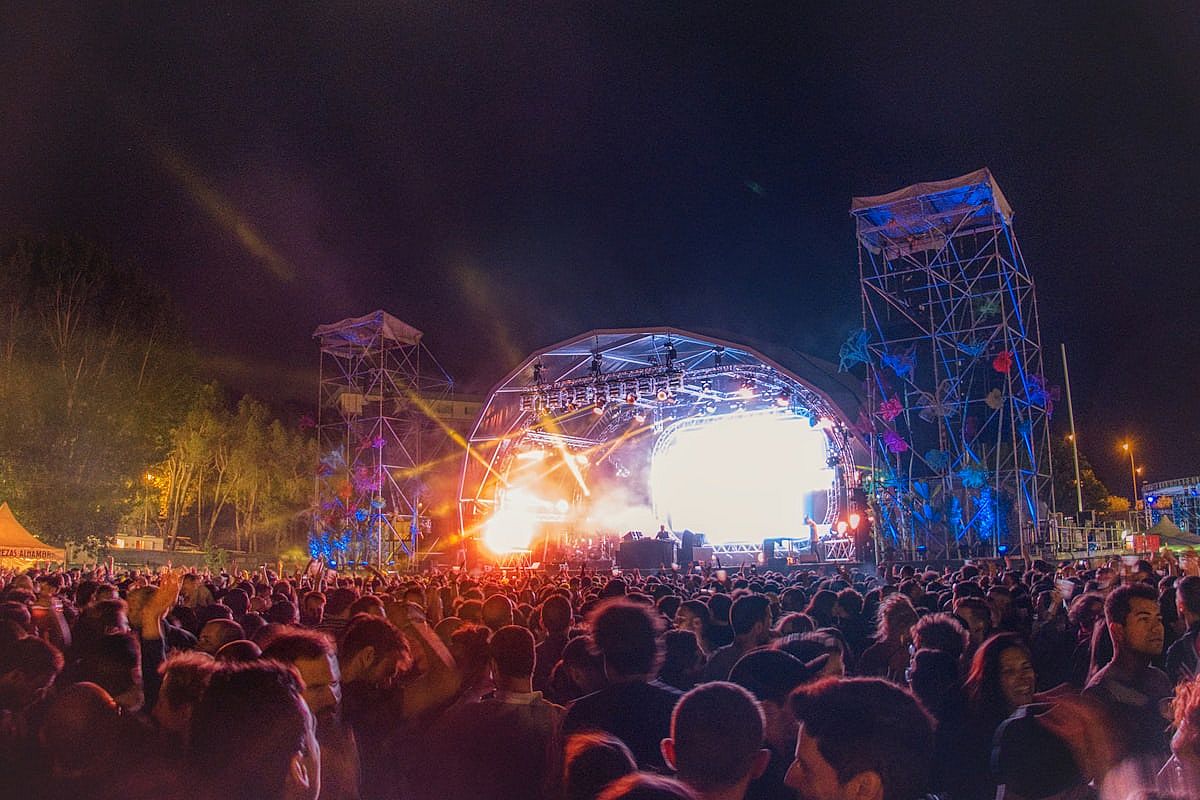
- Free concerts — Major stages at Las Vistillas hosting rock, pop, indie, and flamenco
- Pasacalles — Street parades with giants and big-heads (cabezudos)
- Feria de San Isidro — Spain's most prestigious bullfighting season at Las Ventas
What makes San Isidro different
San Isidro is Madrid's civic celebration as much as a single festival. Traditional dress, music, food and religious observance appear across different parts of the city, so visitors should decide whether they want neighbourhood atmosphere, a formal cultural event or the busiest public gathering. The pradera and central venues offer different experiences. Use the current municipal programme to connect them instead of assuming everything happens in one place.
The most satisfying plan leaves time to notice local customs rather than rushing between listings. Madrid residents may be attending with family or friends, not performing for tourists. Join public activity with curiosity, give dancers and musicians space, and ask before photographing people closely in traditional clothing.
San Isidro programme and daily planning
The detailed programme should shape the trip, not the other way around. Confirm the current dates, venues, reservation rules and late changes through the organiser or Madrid's official visitor information. Older schedules remain useful for understanding the character of the event but cannot guarantee this edition's times. Save the essential listings offline and check them again before leaving the accommodation.
Build each day around one priority and one nearby alternative. Leave room for queues, security checks, street closures and a meal away from the busiest area. If an event reaches capacity or moves because of weather, the backup keeps the day enjoyable. Avoid buying a non-refundable journey tied to one unconfirmed performance.
Where to stay for San Isidro
Choose accommodation by the journey home as well as the journey in. A central property may reduce late transport but can bring noise, crowds and a higher rate. A quieter district can be better value when it has a direct, dependable connection. Check the real walking route, hills, lighting and temporary closures rather than relying on straight-line map distance.
Compare cancellation terms, reception hours, luggage storage and accessibility before paying. Ask whether festival restrictions affect vehicle access or check-in. Reserve early when demand is strong, but never transfer money outside a protected booking channel. Keep the address and reservation details available without mobile data.
Transport and arrival strategy
Public transport and walking are often more predictable than driving during a large celebration. Consult live municipal notices because stations, bus stops and traffic routes can change. Plan at least two ways back and note the last practical connection. A charged phone and offline map help, but every traveller should also know the meeting point and accommodation address.
Arrive early enough to understand the area before it becomes crowded. Identify toilets, exits, medical assistance and a quiet place to regroup. Visitors with reduced mobility should confirm step-free routes and accessible viewing for the specific venue; city-wide accessibility statements do not answer every entrance or historic street.
Tickets, costs and avoiding bad purchases
Separate free public activity from reserved seats, concerts or special venues. Read the listing for each event and use only the sales route named by the organiser. Never assume that a festival pass covers an associated activity, or that a public square guarantees admission after capacity is reached. Keep proof of purchase offline.
A realistic budget includes accommodation, meals, local transport and an emergency reserve. Prices change, so current official listings and menus are more useful than old averages. Flexible plans often save more than chasing the cheapest non-refundable option. Decline unofficial tickets that cannot be transferred through an approved system.
Clothing, weather and personal safety
Comfortable closed shoes and adaptable layers suit long hours outdoors. Check the forecast, carry water where permitted and use sun or rain protection as conditions require. Take only a compact secure bag and review prohibited items before arrival. Keep valuables in inner pockets and avoid displaying a phone unnecessarily in dense crowds.
Eat regularly, pace alcohol and step into a quieter area before tiredness becomes a problem. Never block emergency access or ignore a steward's direction. If the group separates, return to the agreed point rather than pushing against crowd flow. Call for professional help when someone is unwell, lost or unsafe.
Local etiquette and a better visitor experience
San Isidro belongs first to the people who sustain it. Keep residential entrances open, lower your voice during solemn activity and ask before taking close portraits. Do not climb street furniture or cross a procession, performance or controlled route for a photograph. Leave no litter and follow local rules even when other visitors do not.
Learn the names of the main traditions before arrival and listen to local explanations. A slower itinerary creates more meaningful encounters than racing through every headline. Use the Spain festival calendar to compare dates and avoid an unrealistic multi-city schedule.
San Isidro FAQ
Do I need a ticket?
Some public activity may be free while specific events require booking or have capacity controls. Check every item in the current official programme.
How early should I arrive?
Allow time for transport changes, walking and security. Popular events need a larger margin, but the organiser's current access notice is the best guide.
Is the festival suitable for children or limited mobility?
Often yes, with careful selection. Compare noise, crowd density, toilets, surfaces and accessible entrances for the exact event before committing.
Gallery
Video
History & Origins
San Isidro Labrador (1082–1172) was a humble farmer in Madrid. Legend says angels ploughed his fields while he prayed. He was canonised in 1622 and became Madrid's patron saint. The annual celebration dates back centuries — Goya painted scenes of the festival in the late 18th century.
What to Expect
- Traditional dress (optional): Chulapo outfit for men (flat cap, waistcoat); chulapa dress for women (polka-dot dress, headscarf, carnation)
- Comfortable shoes — Lots of walking and dancing
- Sunscreen and hat — May in Madrid can reach 25°C+
- Cash — For traditional food stalls
How to Get There
Pradera de San Isidro:
- Metro: Marqués de Vadillo (Line 5) or Pirámides (Lines 5/3)
Las Vistillas concerts:
- Metro: La Latina (Line 5)
Las Ventas (bullfighting):
- Metro: Ventas (Lines 2/5)
Tips & Advice
What are rosquillas? Traditional ring-shaped pastries: tontas (plain), listas (glazed), de Santa Clara (meringue), and francesas (almond).
Do I need traditional clothes? Not required, but many madrileños dress up, especially at the Pradera.
Plan Your Trip
Book accommodation and transport for this festival. Get the best deals on hotels and train tickets.
This page contains affiliate links. We may earn a commission at no extra cost to you.
 June
June
Fiesta de San Antonio de la Florida
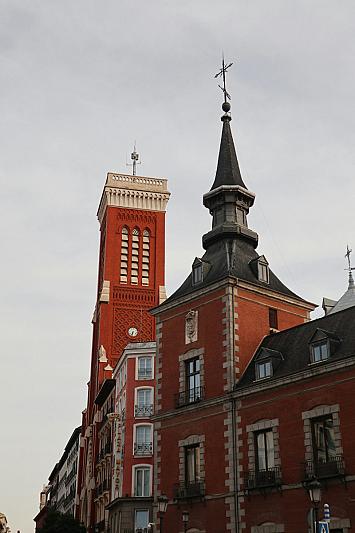
Every June 13th, young madrileñas visit the Ermita de San Antonio de la Florida to place 13 pins in the baptismal font, hoping the saint will help them find a partner.
 January
Fiesta de San Antón
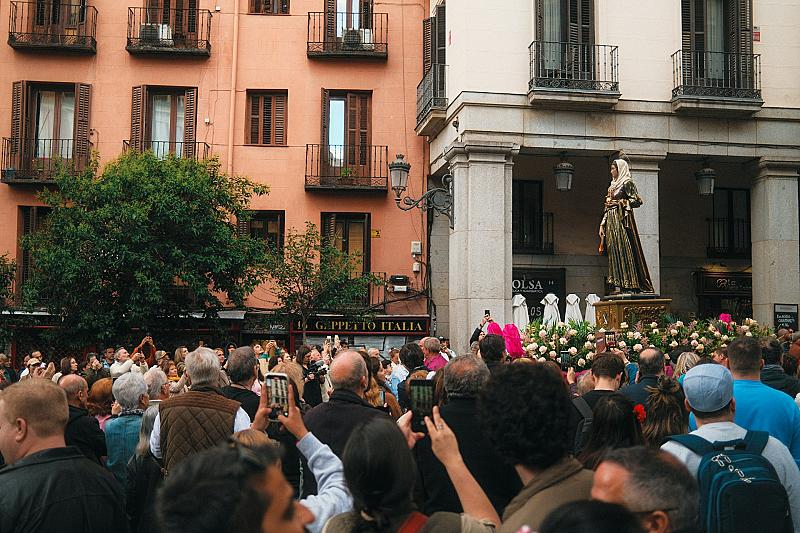
Every January 17th, thousands of Madrileños queue outside the Church of San Antón in Chueca to have their pets blessed by a priest. Dogs, cats, turtles, hamsters, and even horses line up for the benediction in one of Madrid's most charming and quirky winter traditions.
 December
Nochevieja en la Puerta del Sol
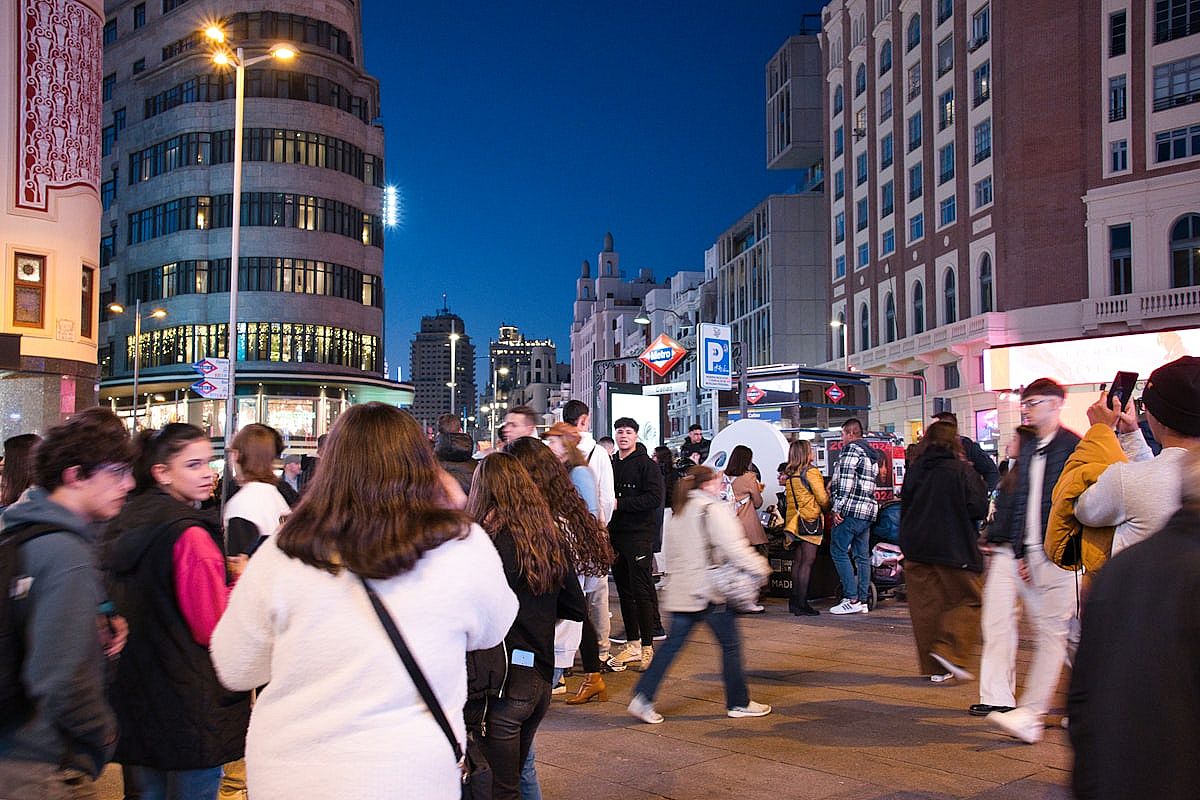
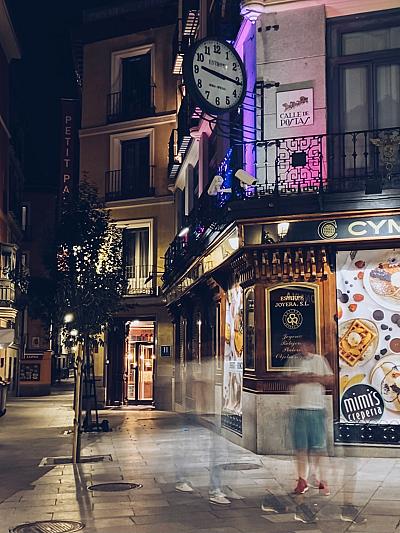
Every December 31st, tens of thousands gather at Madrid's Puerta del Sol to eat 12 grapes — one with each chime of the clock at midnight. This uniquely Spanish tradition, broadcast live to 12 million TV viewers, is the country's most iconic New Year's Eve celebration.
 December
Mercado de Navidad de Plaza Mayor
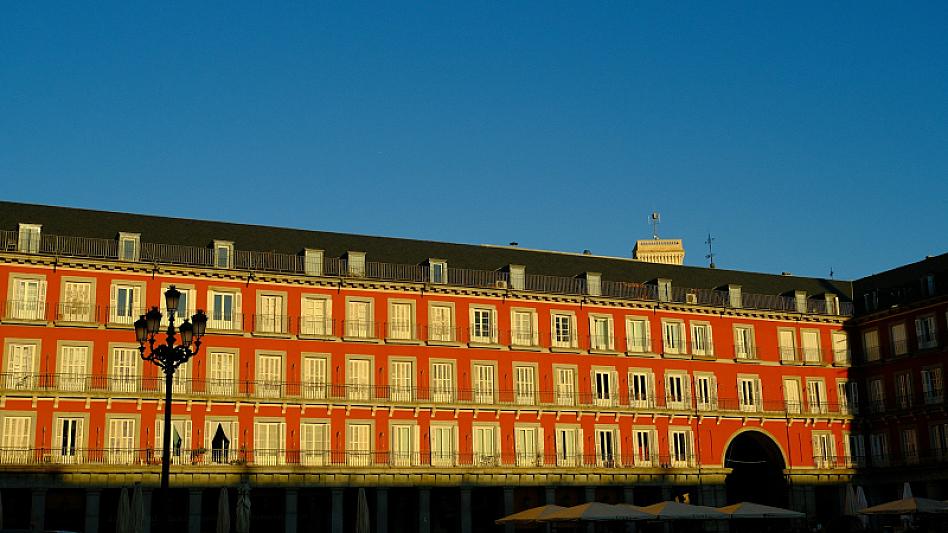
Madrid's iconic Plaza Mayor hosts Spain's most famous Christmas market since 1860, with over 100 stalls selling nativity figures, ornaments, costumes and traditional joke items.