Día de Melilla
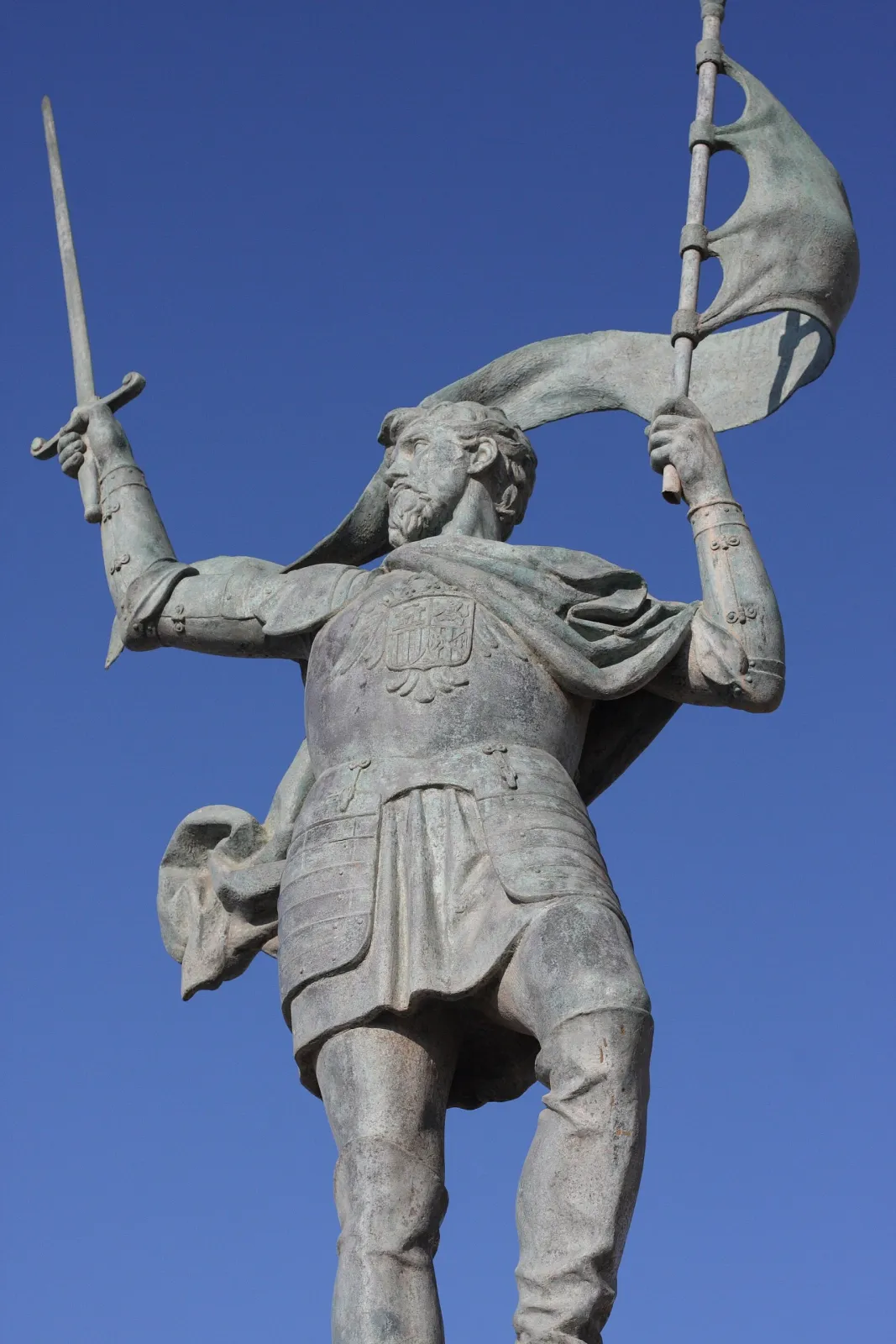
Every 17 September Melilla celebrates the day in 1497 when it became part of the Crown of Castile. The city lays flowers at the statue of Pedro de Estopiñán, holds its main ceremony on the Plaza de Armas of Melilla la Vieja and ends the night with fireworks from the old walls.
The days that matter
-
17 Sep morning
Floral offering and ceremony
Flowers at the statue of Pedro de Estopiñán, then the official ceremony on the Plaza de Armas.
-
17 Sep
Military and naval displays
Parachutists and ships off Playa de los Cárabos (2026 programme).
-
17 Sep night
Fireworks
Fireworks from the walls of Melilla la Vieja close the day.
What Día de Melilla is like
- Fire
- Free
- Family
- Noise
- Quiet ceremony, a loud finale with fireworks
- Fire
- Fireworks from the old walls at night
- Crowds
- Limited places at the ceremony, plenty of room elsewhere
- With kids
- Parachutists, ships and children's areas
Highlights
The anniversary of Melilla joining the Crown of Castile in 1497
Floral offering at the statue of Pedro de Estopiñán
Ceremony on the Plaza de Armas of Melilla la Vieja
Fireworks from the old city walls
Date & Schedule
| Detail | Info |
|---|---|
| Date | 17 September 2027 (Friday), local holiday in Melilla |
| Floral offering | At the statue of Pedro de Estopiñán, before the main ceremony |
| Main ceremony | Plaza de Armas, Melilla la Vieja (limited capacity) |
| Displays | Military and naval displays off Playa de los Cárabos (2026 programme) |
| Fireworks | At night, from the walls of Melilla la Vieja |
| Cost | Free |
The date is fixed. The detailed programme changes every year and is published by the city in the days before.
Why 17 September
On 17 September 1497 troops sent by the Duke of Medina Sidonia under Pedro de Estopiñán took Melilla, which became part of the Crown of Castile. Since then the city has stayed Spanish, an enclave between two continents. Its old fortified town, Melilla la Vieja, on a rocky headland above the port, is where it all started, and it is where the day is celebrated.
The programme
The 2026 edition gives a good idea of what to expect:
- Floral offering at the statue of Pedro de Estopiñán, with the city's authorities and guests.
- Institutional ceremony on the Plaza de Armas inside Melilla la Vieja, with a limited number of places.
- Military and naval displays by the Comandancia General de Melilla, the parachute display team of the Air and Space Force and ships off Playa de los Cárabos.
- Food trucks under the name Sabores del Mundo on the Plaza de las Culturas, visits to replicas of historic boats and children's areas.
- Fireworks from the walls of Melilla la Vieja to close the day.
Visiting Melilla la Vieja
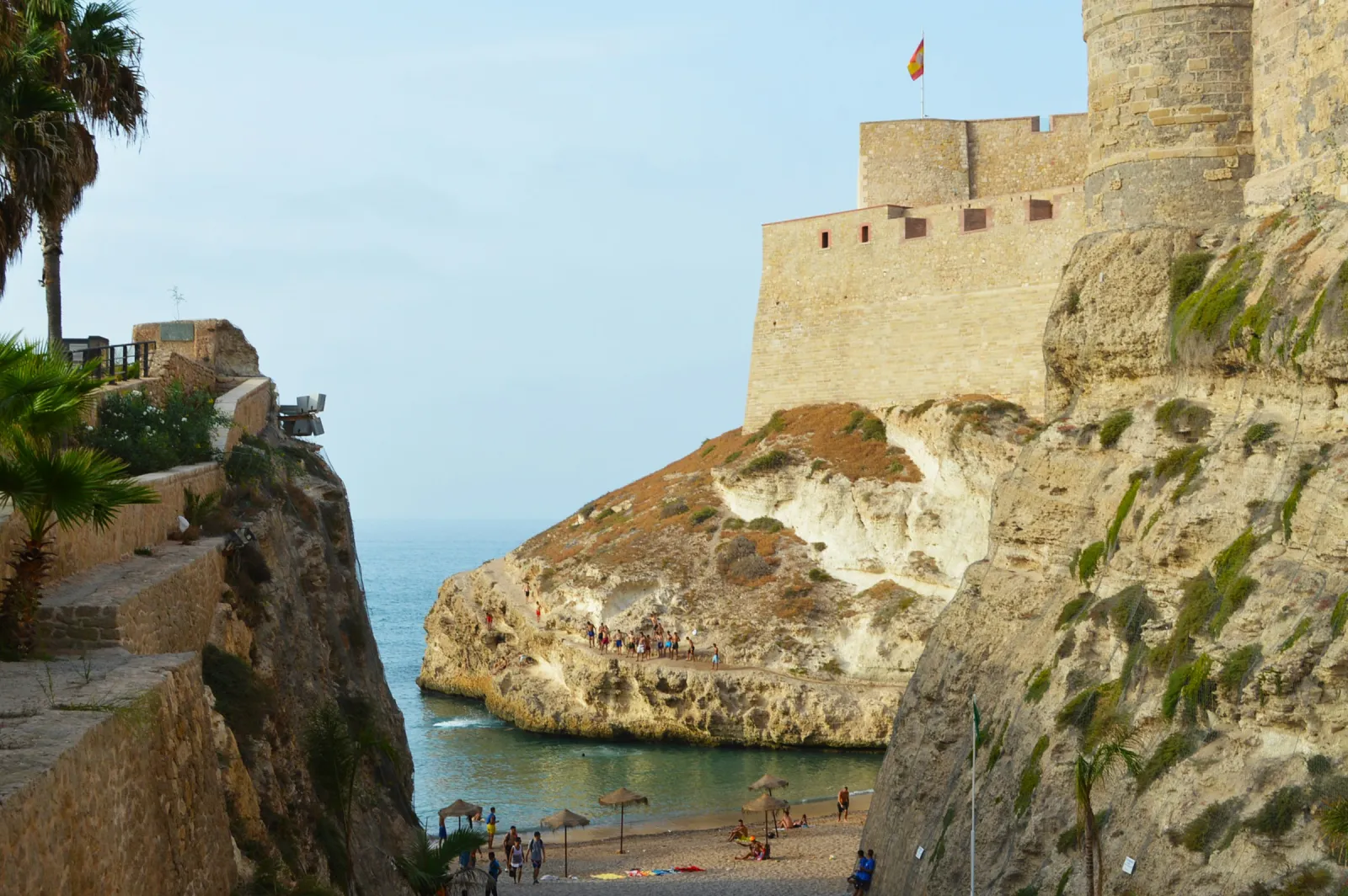
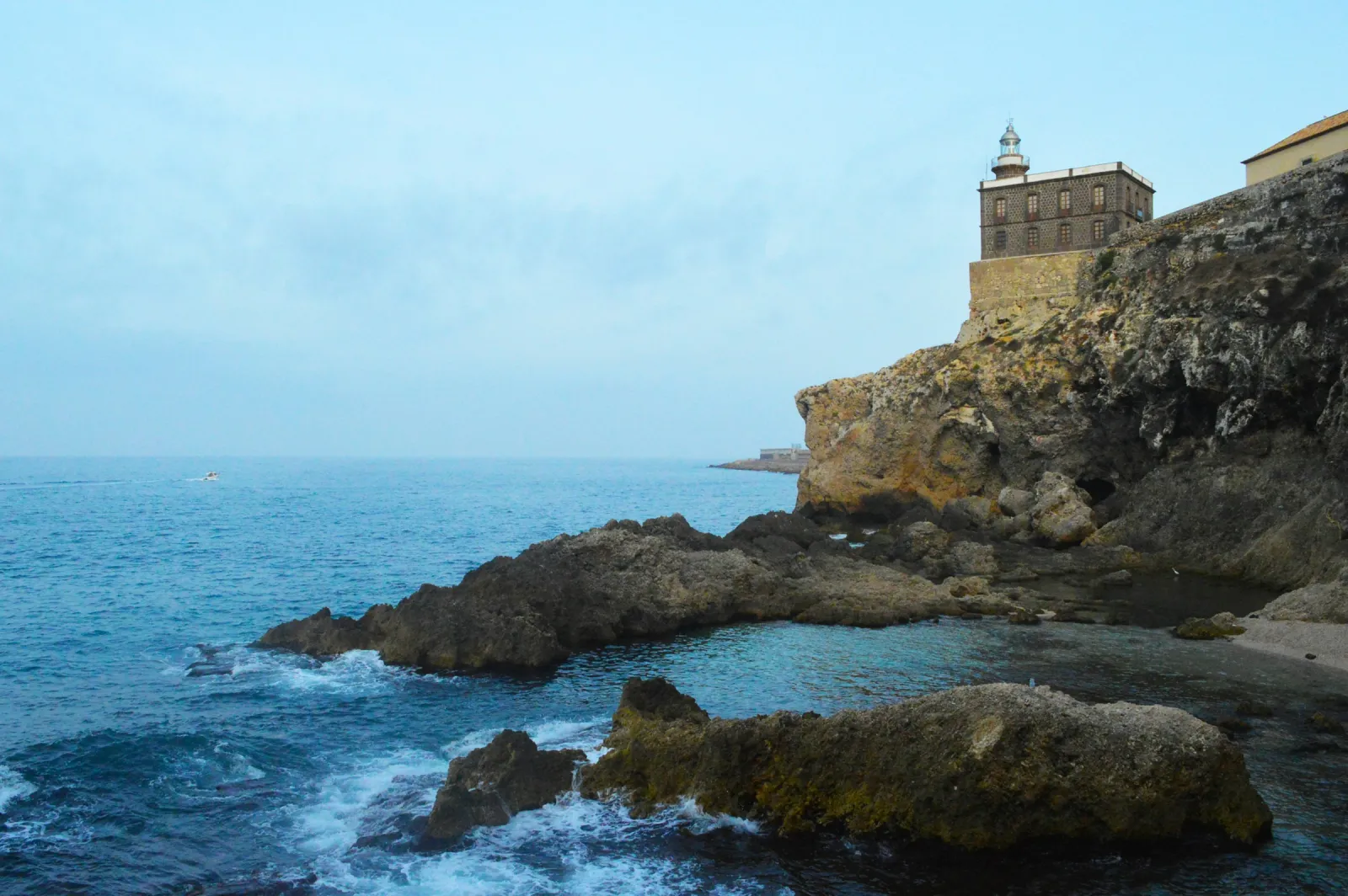
The day is a good excuse to walk the four fortified enclosures of Melilla la Vieja: the walls, the moats, the lighthouse and the coves below the cliffs. From there it is a short walk to the modernist centre, one of the best-preserved collections of Modernisme architecture outside Barcelona.
Weather in Melilla in mid-September
- Still summer, around 27–29 °C by day
- Warm evenings, good for the fireworks by the sea
Sources
Gallery
History & Origins
In 1497, five years after the fall of Granada, the Duke of Medina Sidonia sent an expedition under Pedro de Estopiñán to take Melilla on the North African coast. The Spanish garrison fortified the headland in successive enclosures, which survive today as Melilla la Vieja. The anniversary on 17 September is the city's official day and a local holiday.
What to Expect
A civic day rather than a street party: official speeches and flags in the morning, families watching the parachutists and ships from the seafront, food trucks and a relaxed evening that ends with fireworks over the old walls. It is a good day to discover Melilla la Vieja, with the whole city around it.
How to Get There
By air: Melilla Airport has flights to Málaga, Madrid and other Spanish cities. By ferry: from Málaga, Almería and Motril. By train: Renfe to Málaga or Almería, then the ferry. Melilla la Vieja is next to the port and a short walk from the centre.
Tips & Advice
- The ceremony on the Plaza de Armas has limited capacity: arrive early or watch from outside.
- For the military displays, the seafront by Playa de los Cárabos gives the best view.
- Find a spot by the port or on the seafront for the fireworks from the walls.
- Combine it with the Feria de Melilla and the 8 September procession of the Virgen de la Victoria, a week and a half earlier.
- More festivals and places to stay: our Melilla guide.
Photos: Christelle Hayek / Unsplash; yeowatzup / CC BY 2.0 / Wikimedia Commons
Feria de Melilla
Melilla, MelillaAt the turn of August and September Melilla holds its biggest fiesta: nine days of casetas, rides and concerts at the fairground on the seafront, in honour of the city's patron saint, the Virgen de la Victoria, who is carried through the streets on her feast day, 8 September.
Semana Santa de Melilla
Melilla, MelillaMelilla's Holy Week is one of the least known in Spain and one of the most unusual: a Nazarene attributed to Pedro de Mena leaves from the bullring on Holy Wednesday, a prisoner is set free in front of the procession on Holy Thursday night, and the week ends with the Risen Christ meeting the Virgen del Rocío on Easter Sunday.
La Mercè
Barcelona, CataloniaLa Mercè (officially Festa Major de Barcelona) is Barcelona's largest annual festival, celebrating the city's patron saint, Our Lady of Mercy. Held every year around 24 September, it transforms the city into a four-day programme of over 600 free events — world-class concerts, traditional Catalan folk displays, fire runs, human towers, and open-air parties across every neighbourhood.
Medieval Market of Ávila
Ávila, Castilla y LeónThe Mercado Medieval de Ávila is one of the largest and most spectacular medieval markets in Europe. Every September, the stunning UNESCO World Heritage walled city of Ávila transforms into a living medieval town with over 200 stalls, jousting tournaments, troubadours, falconry displays and theatrical performances. Set against the backdrop of Ávila's perfectly preserved 11th-century walls — the finest in Spain — it's a magical step back in time.